Why Recessed Infrared Heaters Actually Work
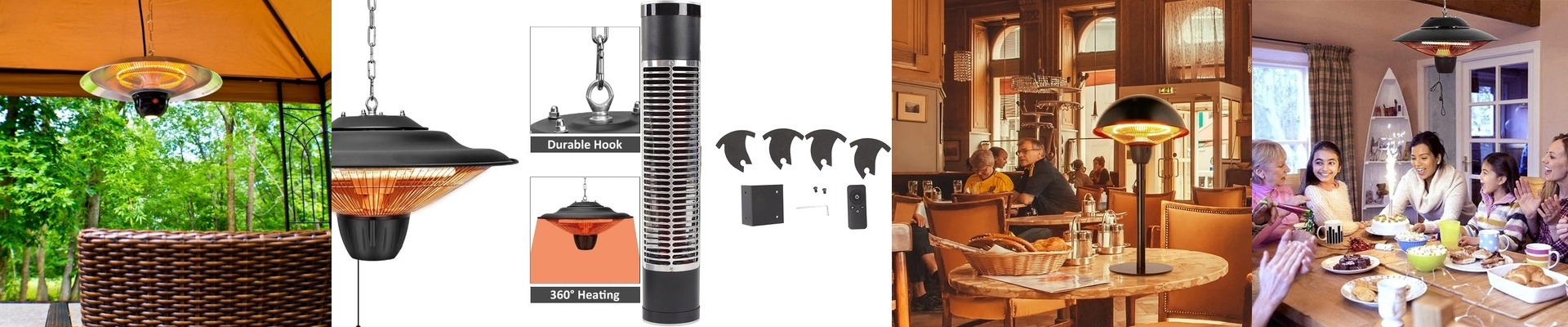
If you’ve ever spent time in a high-traffic changing area, you know the struggle. You’ve got doors swinging open and shut all day, and the heat just vanishes. Most people try to fix this with forced-air systems, but that’s a losing battle. You’re basically trying to heat the air, and the air just drifts away the second a door opens. We do things differently. We use recessed infrared ceiling heaters that skip the air entirely. Instead of warming the room, they send shortwave radiation straight to your skin and clothes. It’s a completely different feeling. It’s about the physics. Standard heaters rely on convection—basically blowing hot air around. But these recessed units use radiant energy. You don’t have to sit around waiting for the whole room to warm up. You feel it in seconds. Plus, since we mount them flush into the ceiling, they stay out of the way. No bulky equipment to bump into or break in a crowded space. Getting that “instant” warmth To make the heat feel immediate, we use high-wattage shortwave emitters. We focus the energy into a specific beam, creating a concentrated “warm zone” right under the fixture. The moment someone steps under that lamp, they feel a sudden spike in temperature. It’s satisfying. The practical side of things Now, there are a few things you need to know about the setup. Wiring these into a ceiling grid isn’t a “plug and play” situation. They pull a lot of current to get that rapid heat, so you can’t just tack them onto your lighting circuit. You’ll need a dedicated circuit and breakers that can handle the total kilowatt load. It’s a bit more work upfront, but it’s the only way to do it safely. One thing to keep in mind: shortwave IR is directional. If you aren’t under the beam, you aren’t feeling the heat. We handle this by overlapping the radiation patterns in our layouts. By staggering the units, we kill off the “cold spots” in the changing area. You get consistent warmth exactly where people are standing, without wasting energy heating empty corners of the room.