Making Your Patio Warm (And Your Smart Home Actually Useful)
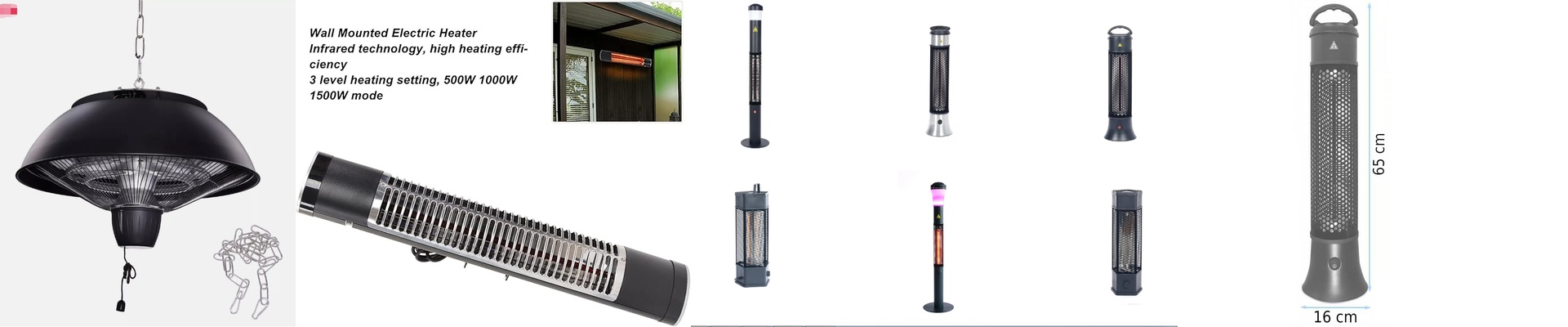
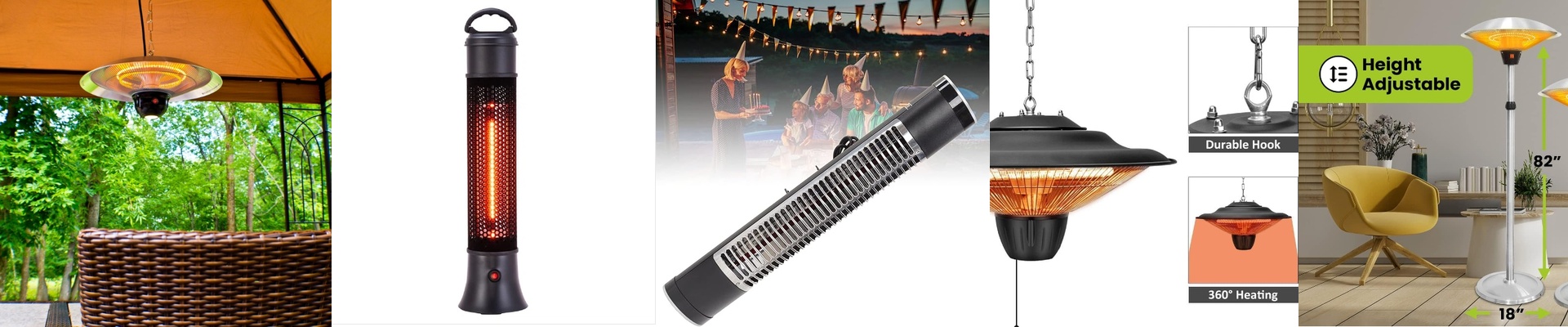
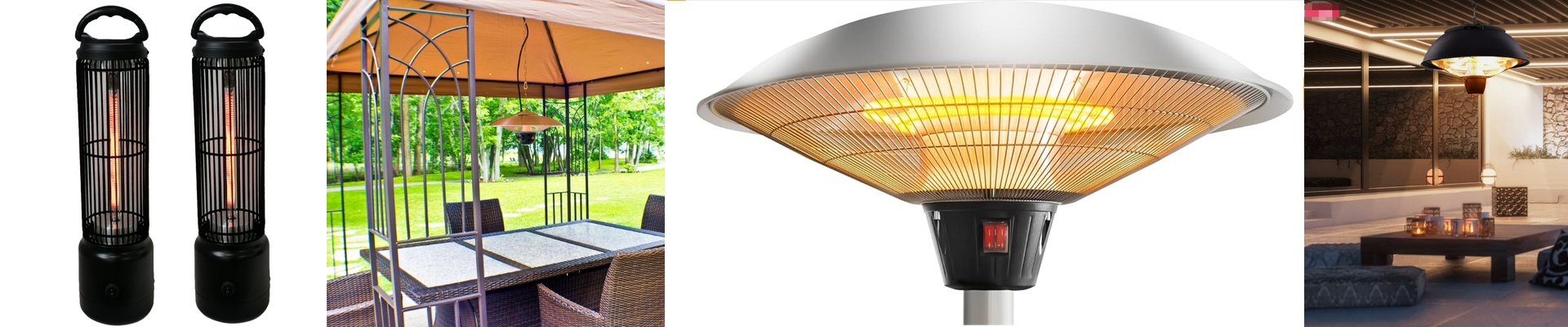
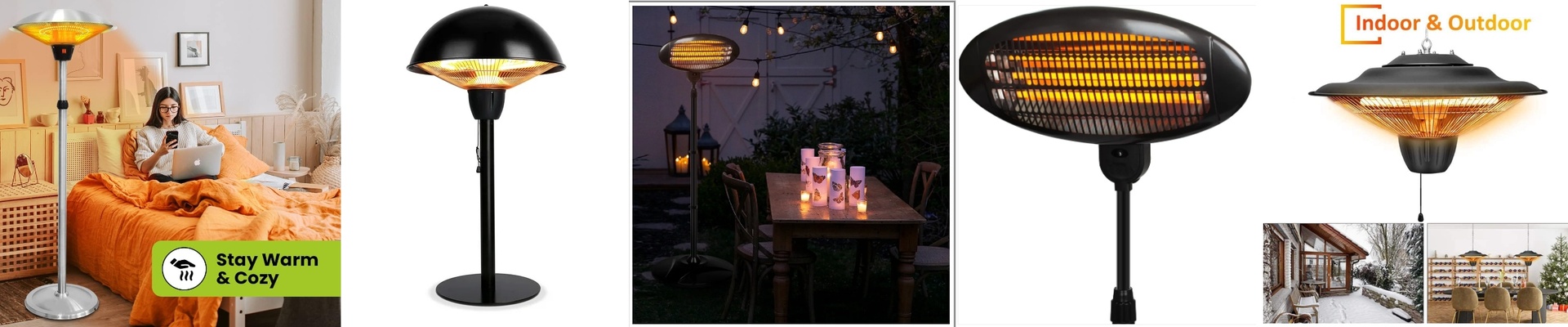
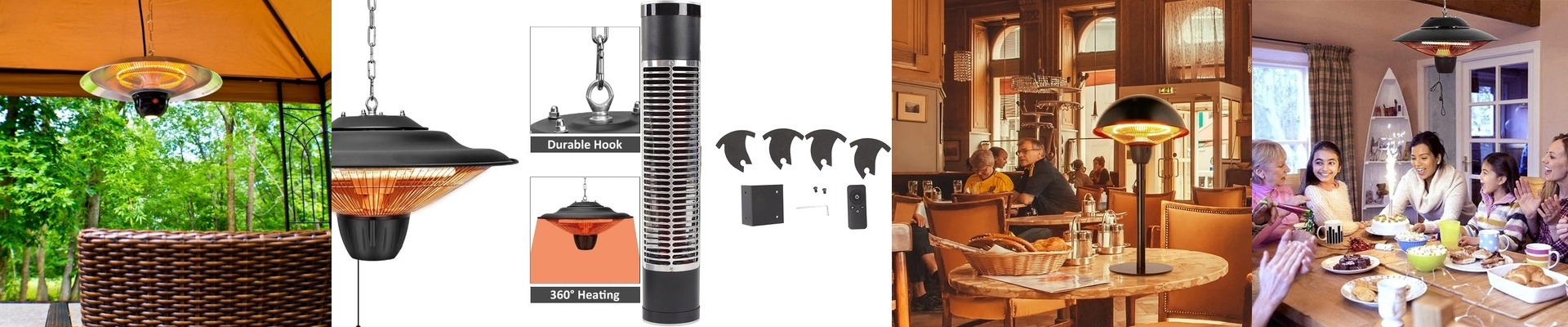
Let’s be honest: most outdoor heaters are a pain. You either get something that looks like a giant mushroom and barely works, or something powerful that you’re terrified will short out the moment it rains. We wanted to fix that. Our IP66-rated infrared heaters are built to take a beating from the weather—heavy rain, dust, you name it—while keeping you warm. The best part? They don’t waste time trying to heat the air around you. Since it’s open air, that heat just blows away. Instead, these units beam heat directly to you. It’s that immediate, cozy feeling of stepping into sunlight on a cold day.
That “Instant Spring” Feeling
Ever wonder why some heaters take forever to kick in? We use a tungsten filament inside a quartz envelope. It’s fast. Really fast. The second you tap a button on your phone, the filament hits its peak temperature in milliseconds. We pushed the wattage high enough so that even when the winter wind is ripping through your backyard, you actually feel the warmth. To get this talking to your smart home, we tucked a heavy-duty relay (or a TRIAC dimmer) into the circuit. Think of it as a bridge. Your Zigbee or Matter hub sends a tiny, low-voltage “hey, turn on” signal, and the hardware handles the heavy lifting of the actual electricity. You get the convenience of a smartphone app without frying your smart hub.
Built for the Rough Stuff
When we say IP66, we mean these things are basically sealed tight. We’re talking industrial-grade gaskets at the joints and a powder coating that doesn’t care about corrosion. But here’s the catch: when you seal something that tightly, the heat inside the wiring has nowhere to go. To stop the insulation from melting during a long winter night, we used high-temp silicone and fiberglass braiding for the internal cables. It’s a small detail, but it’s the difference between a heater that lasts a season and one that lasts a decade.
A Quick Tip on Setup
Before you start drilling holes, a word of warning: these units pull a lot of power. If you try to hook up a few of these to a standard 15A residential breaker, you’re going to trip it. Trust me. The smartest way to do this is to run a dedicated line for each heating zone. It keeps your electrical panel happy and ensures your smart switches don’t burn out the first time they handle that initial surge of power.