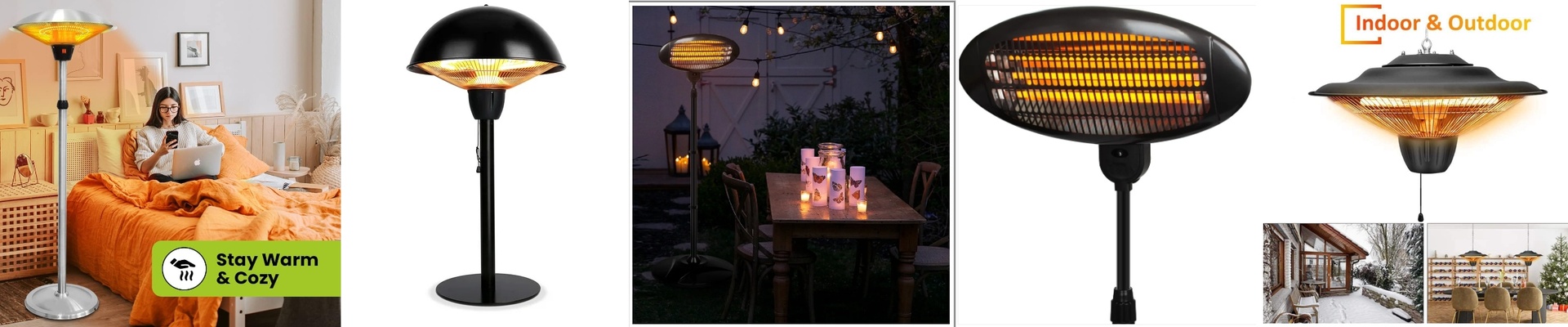
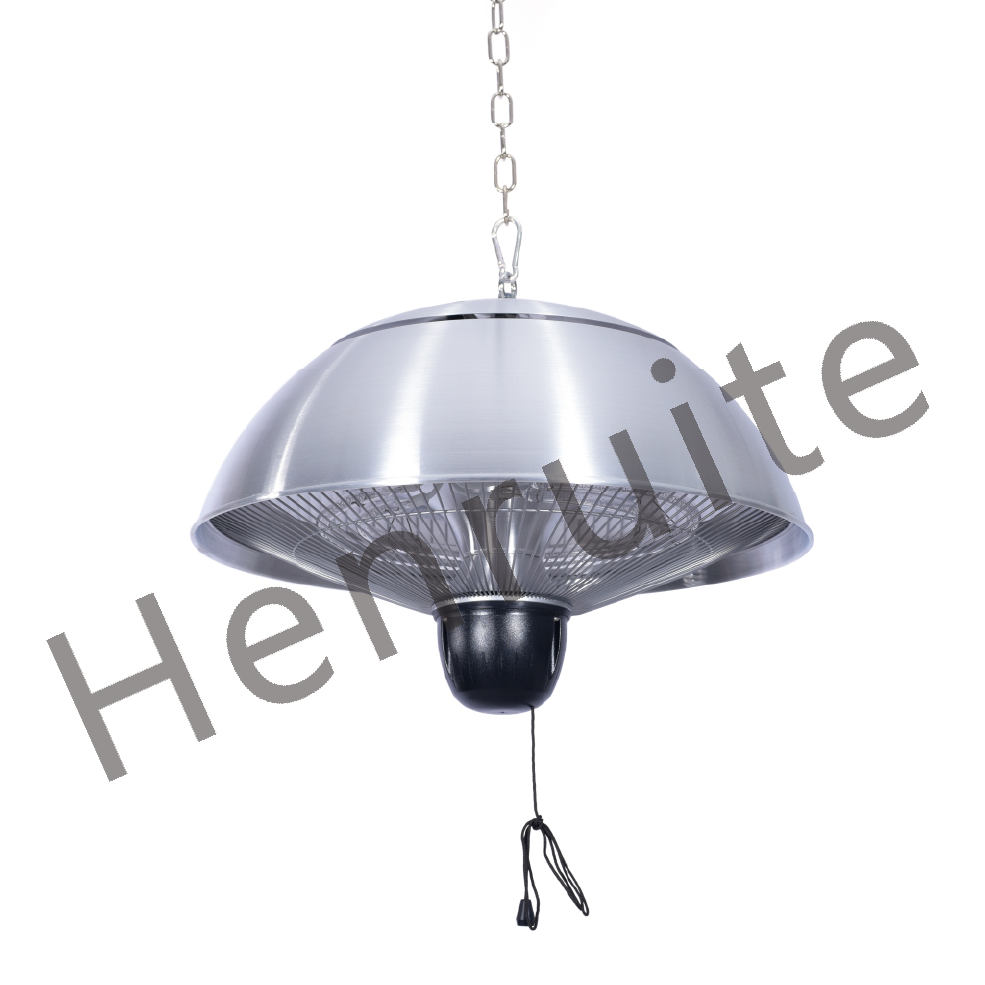
How to pick the right infrared heater for your bathroom
Let’s talk about getting your bathroom warm without making it feel like a sauna or blowing a fuse. When you’re dealing with a wet room, you can’t just throw any heater in there. You need something with an IP65 rating. Basically, that’s just a fancy way of saying the electronics are sealed tight so moisture doesn’t cause a short circuit. We stick with shortwave infrared lamps. Why? Because they don’t waste energy trying to heat up all the air in the room. Instead, they warm you up directly. It feels more like stepping into a beam of sunlight.
Getting the wattage right
First off, don’t overdo it. If you’ve got a tiny powder room (under 4m²), a 400W to 600W lamp is plenty. If you try to cram a 1200W unit in a space that small, you’ll overheat the room in seconds. Your thermostat will be clicking on and off constantly, which is a great way to kill your relays way faster than they should die. For the bigger bathrooms—somewhere between 6m² and 10m²—you’ll probably want 800W to 1500W. **Pro tip:**Instead of one massive lamp, try splitting that power across two smaller ones. It stops those annoying “hot spots” where you feel like you’re being roasted under the light but you’re shivering the second you step two feet away.
The catch with sealed housings
Here is the thing about those IP65 seals. They’re great for keeping water out, but they also trap heat inside the fixture. High-wattage lamps get hot. Really hot. You have to make sure the housing you’re using is actually built for the wattage you’re plugging in. If you push a 1500W lamp into a box meant for 800W, you’re asking for trouble. You could melt the gaskets or fry the wiring. Not a great look.
Speed vs. Stability
It really comes down to what you want when you step out of the shower. Higher wattage means instant heat. It’s fast. If you want to feel warm the second you touch the floor, go high. But if you’re more worried about your electric bill or the load on your breaker panel, go with lower wattage lamps that run a bit longer. Just do yourself a favor and check your circuit breaker capacity before you start wiring up a bunch of high-power units. You don’t want the lights going out right when you’re lathering up.