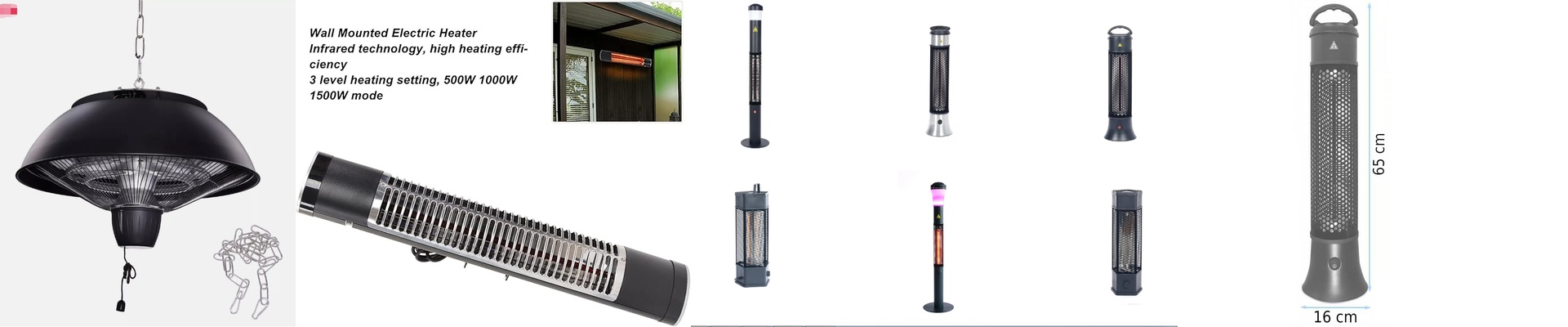
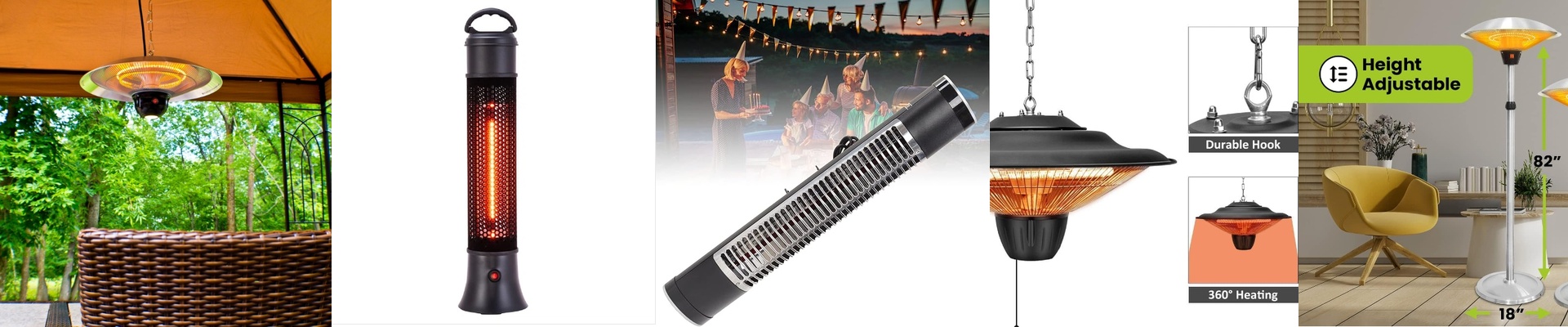
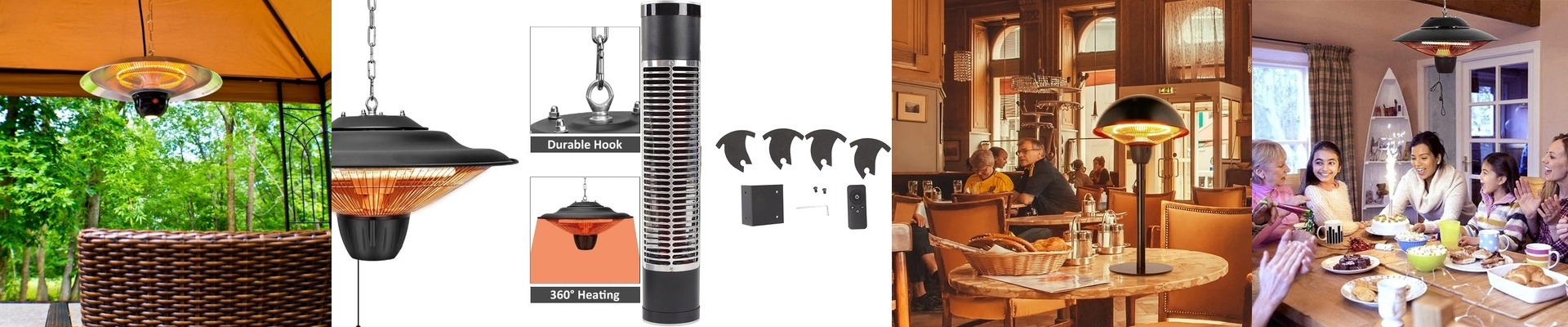
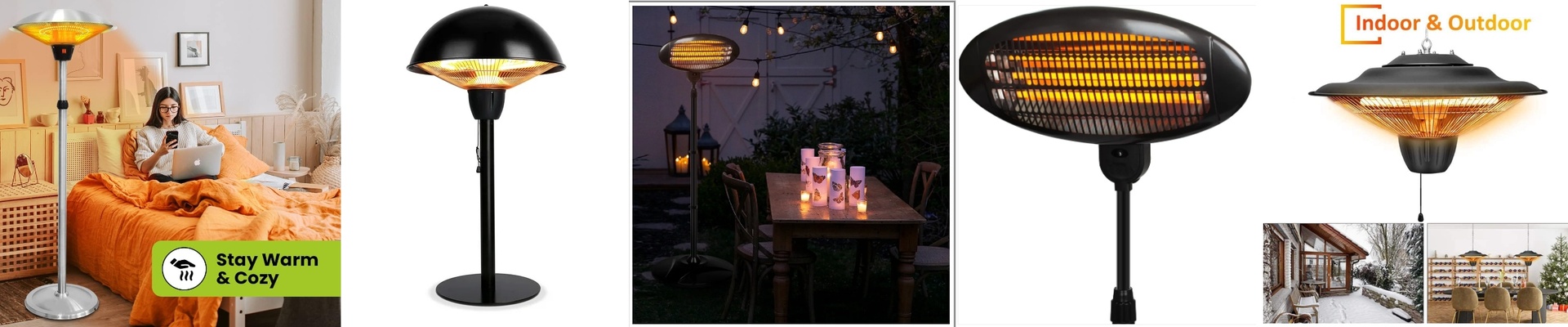
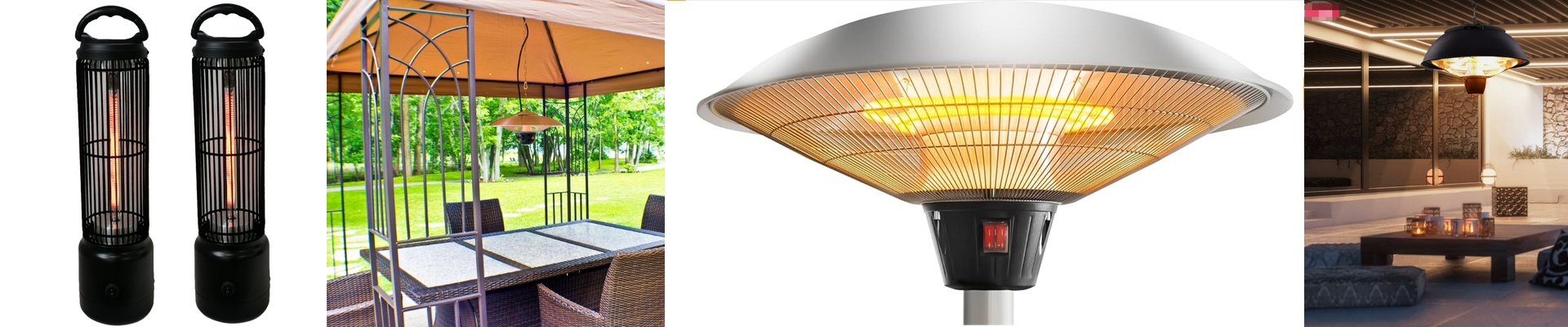
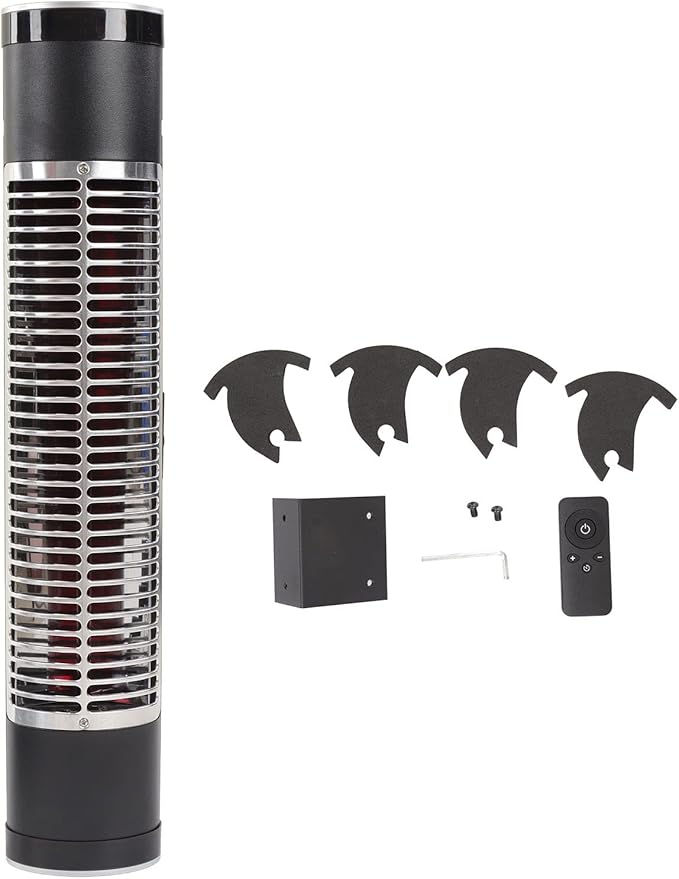
Off-grid living isn’t about candlelight romance. It’s about having warmth when the sun is gone and the wind finally drops. If your cabin runs on solar PV, the challenge isn’t just heating a room—it’s doing it without flattening the batteries or cutting corners on safety. That’s where an infrared space heater with tip-over protection earns its keep. What matters, technically Infrared heaters put out radiant warmth. They heat people and solid surfaces directly, not the air. Most models use a carbon fiber element or a quartz tube to produce short- to medium-wave infrared. That means fast heat-up, directional comfort, and minimal parasitic draw. Add in a tip-over protection switch that kills power the instant the unit gets knocked over, and a base that keeps the heating core stable. In practice, you feel warmth within seconds, and if a kid or a pet bumps it, it shuts down on its own. Why it fits the off-grid reality Solar PV can be generous on a clear day, but winter evenings put your battery bank to the test. An infrared heater is a smarter load because it heats bodies and objects, not air. So you can keep the room air cooler and still feel cozy. That lets you run the space at lower air temperatures, stretch battery life, and keep the living area comfortable. For many off-grid setups, pairing an efficient infrared heater with solar PV pushes the heating portion of energy use toward self-sufficiency—often 70–90% on clear, cold days when the sun is strong and the night is still. The payoff is comfort you can count on, without the anxiety of watching the battery meter drop. The details that make it work Sizing matters. Match the heater’s wattage to your battery capacity, inverter rating, and how well the room is insulated. Most infrared heaters run on a standard 120V circuit, so the wiring and circuit protection need to be sized for continuous operation. Plan daytime heating around sun availability, and reserve battery capacity for essentials at night. Infrared warmth hits fast, but it doesn’t warm cold air. In drafty spots, pair the heater with window sealing or a small circulation fan to spread comfort more evenly.