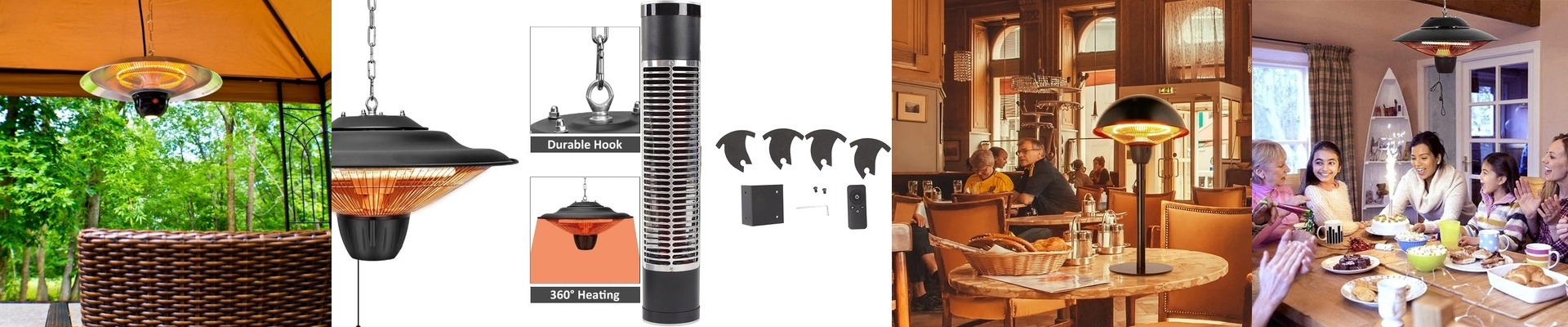
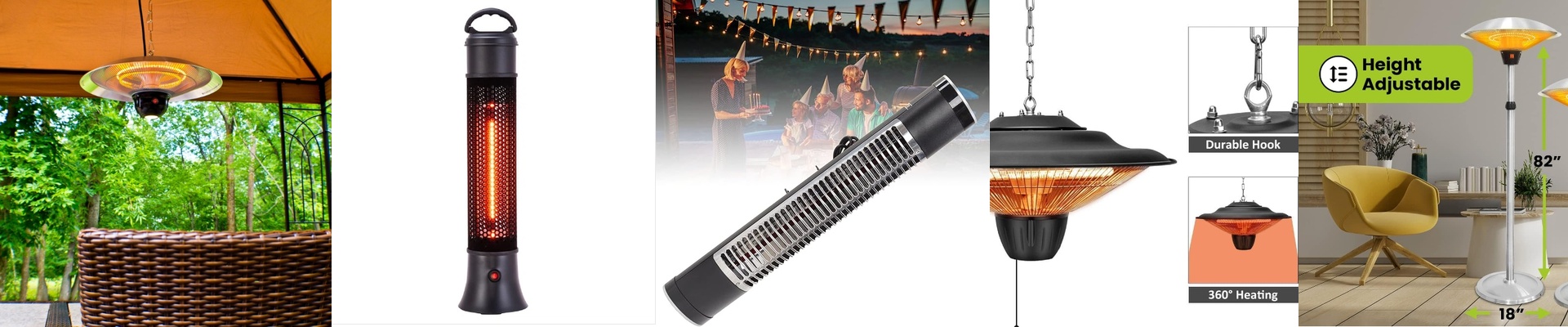
In an open-air restaurant, winter doesn’t just drop the temperature—it drops your covers. The wind hits the patio, and guests naturally drift inside. Service slows because seating cycles stretch out. The fix isn’t a loud heater that churns air around; it’s targeted infrared warmth that keeps people comfortable right where they’re sitting.
What matters under the hood
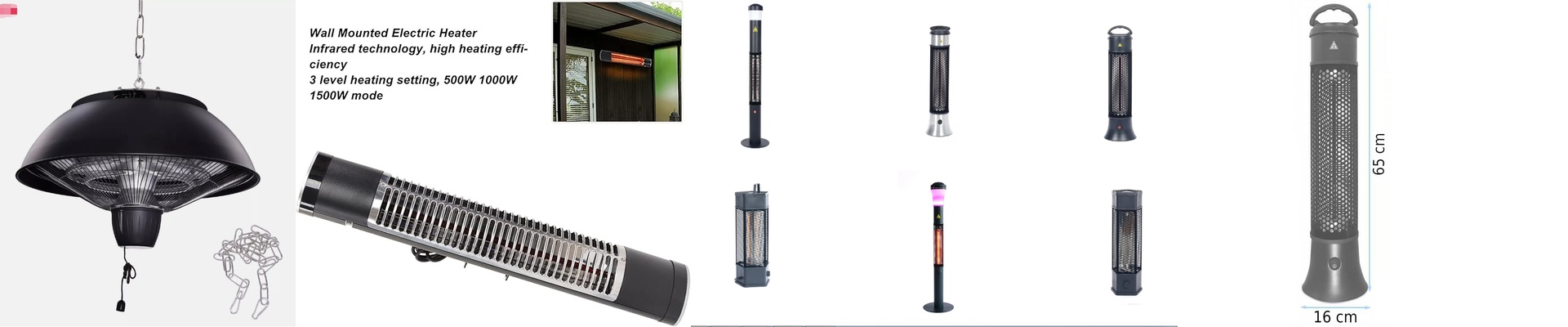
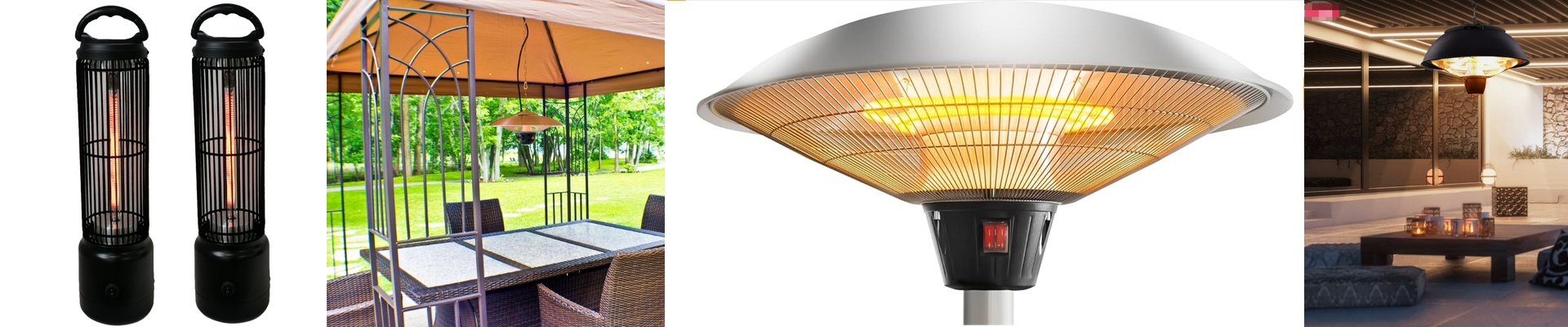
We built our gold tube infrared heater around a high-efficiency quartz tube with a reflective gold coating. That gold layer pushes more radiant energy forward, so the heat lands on tables and guests instead of bleeding off into the surroundings. The element kicks out warmth immediately—no warm-up lag—and the output stays steady and easy to control. The specs are straight out of a real install sheet: 1500W–3000W options, 120V or 240V models, and a standard NEMA plug for straightforward electrical hookup. There’s no fan, so it runs quietly, and it comes with a built-in thermostat to keep comfort consistent. For safety, tip-over protection shuts the unit off if it gets knocked over, and the IP rating makes it suitable for covered outdoor areas.
Why this works on a patio
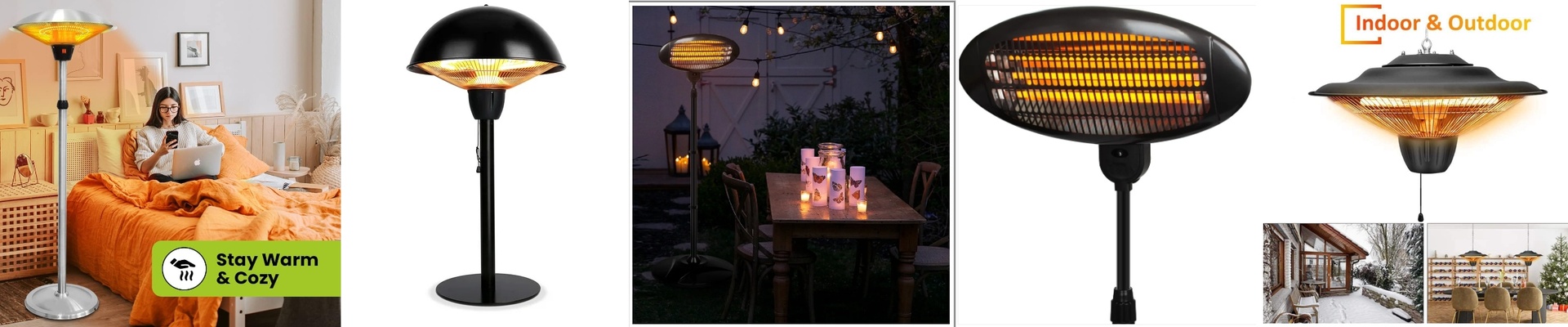
In patio dining, comfort drives revenue. Mount gold tube infrared heaters overhead or on walls, and customers feel warmth at table level—so they stay longer and come back sooner. Because the heat is directed and localized, you can heat a smaller zone instead of trying to warm the entire outdoor space. That translates to lower operating cost per seat, faster table turnover on cold nights, and more guests willing to wait for a table. The outcome is simple: more seats filled, quicker service cycles, and a winter season that stays profitable.
What you need to plan for
Plan for the environment. Gold tube infrared heaters are meant for dry, covered outdoor installs—under a roof or awning—and they need to be shielded from direct rain. Clearance matters: keep combustible materials and furniture at the recommended distance, and use the included mounting hardware to set the unit secure and level. Remember, this is radiant heat: it warms people and surfaces directly. For the best results, pair it with a thermostat to hold a steady temperature without overheating the area.