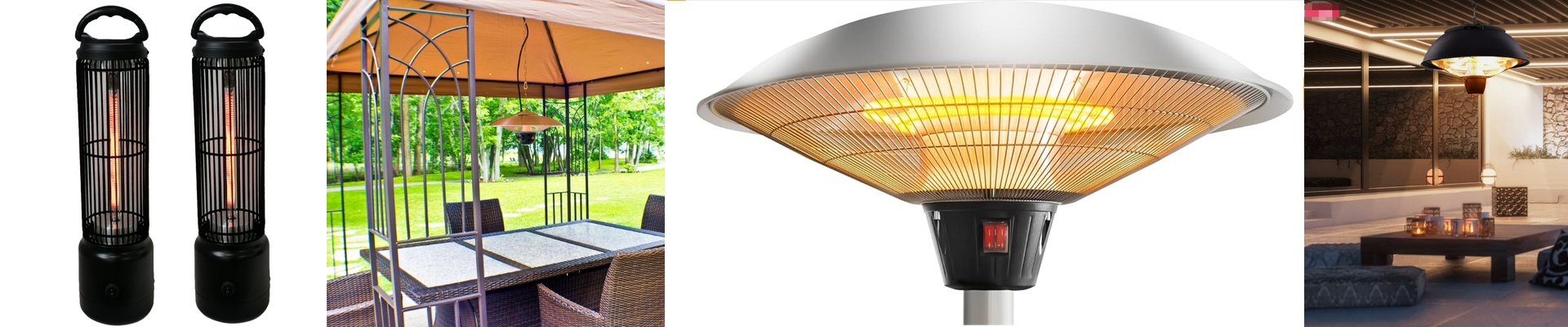
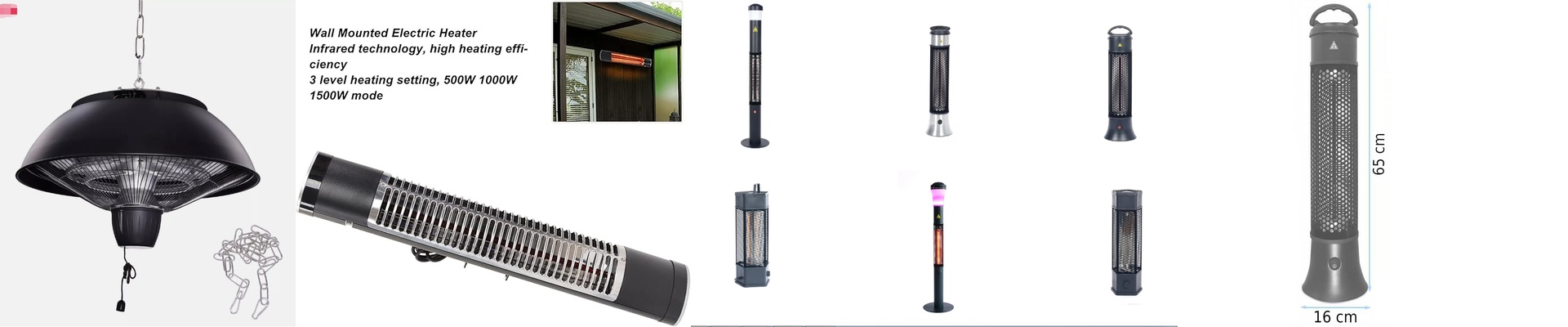
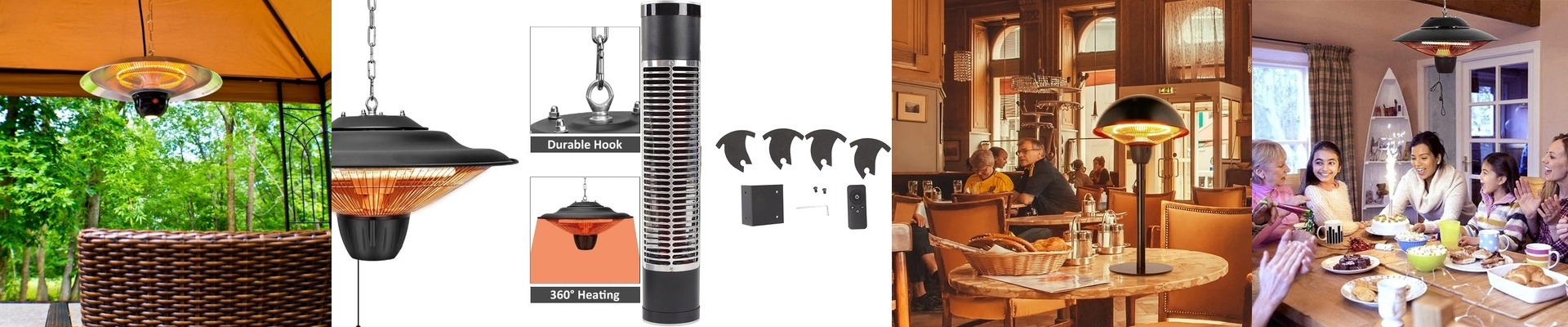
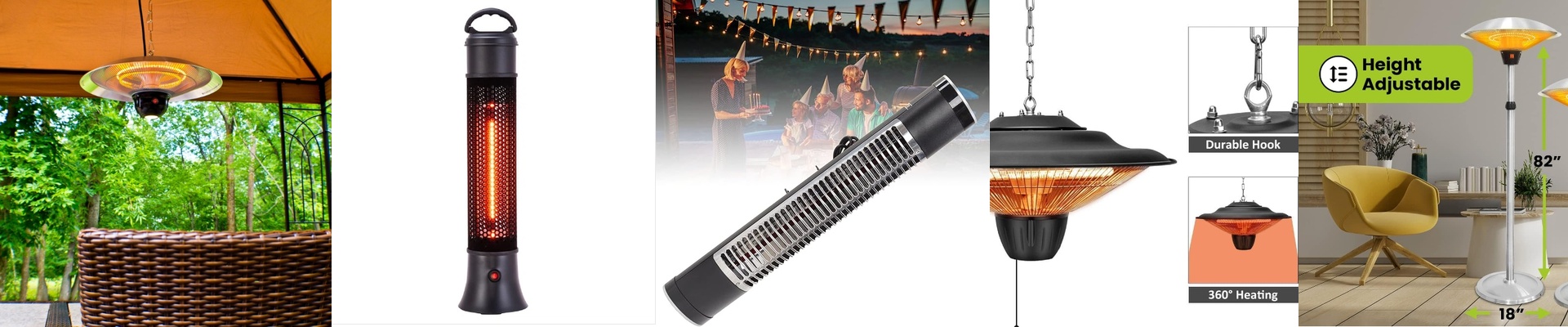
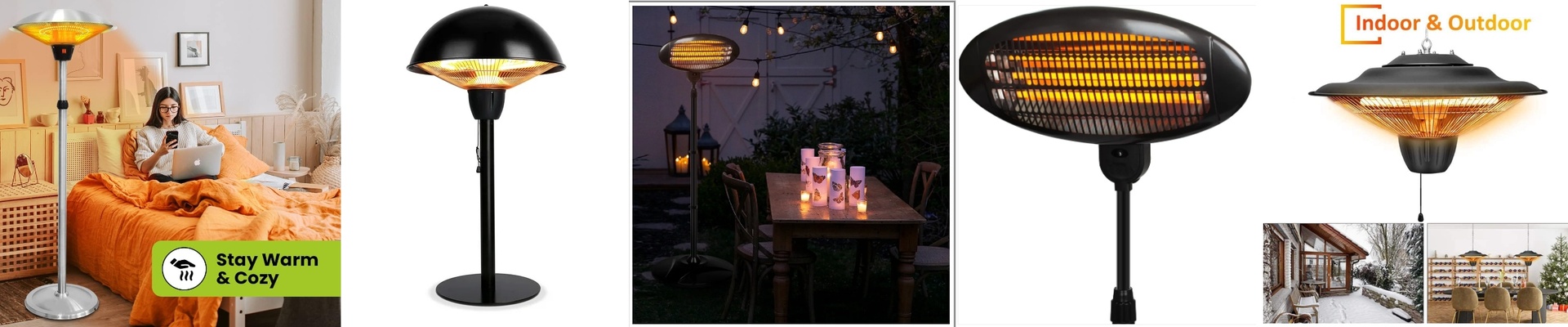
indoor restaurants walk a fine line with comfort. The moment the air turns cool, guests cut their visit short, staff start feeling it, and service loses its flow. Infrared warmth is the straightforward fix, and the real work happens long before the heater ever hits your floor.
What matters under the hood
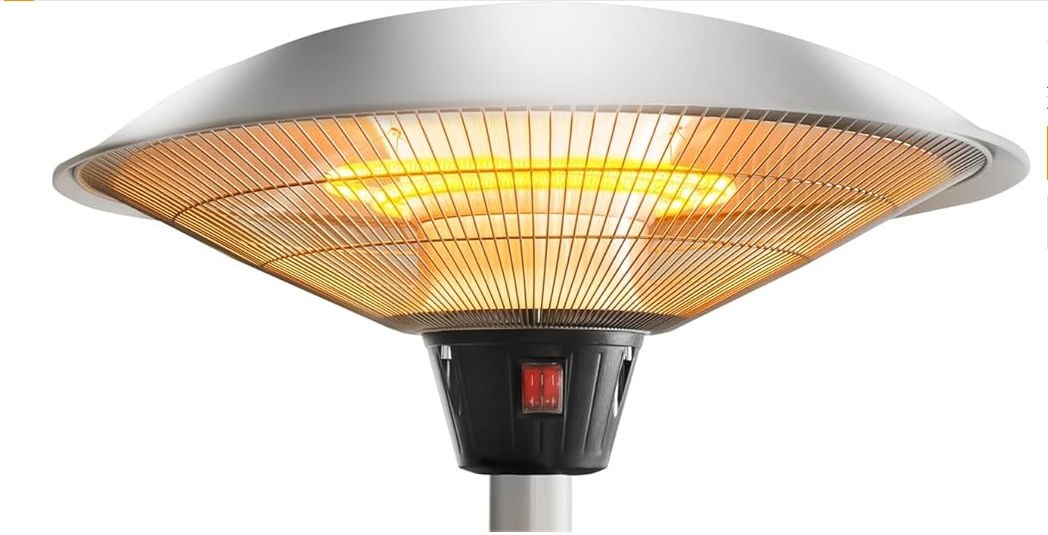
We build our indoor infrared heaters around a carbon fiber element inside a quartz tube. That combination delivers radiant heat—warming people and objects directly instead of pushing air around. Output is tuned for indoor commercial use, so you feel the heat in seconds, not minutes. It runs on standard 120V and plugs in clean. A built-in thermostat keeps the temperature steady. For safety, tip-over protection shuts the unit off if it gets knocked over, and the outer surface stays cool to the touch.
Why this design fits indoor dining
This is about timing. Heat arrives fast, so guests stay comfortable without waiting around. Because the warmth is directional, it doesn’t fight drafts or HVAC cycling, and it helps you keep a consistent feel from table to table. From an operations standpoint, there’s minimal air movement, so you stir up less dust. Energy draw stays predictable, too. And behind the scenes, we stick to green manufacturing: every step—from raw material sourcing to finished packaging—is audited to cut waste and keep solvents in check. Comfort that doesn’t cost the planet.
What to watch for on install
Infrared heat works best with a clear line of sight. Don’t mount it where walls, partitions, or signage block the beam. Keep the heater at least three feet from combustible materials. These are indoor units, so keep them away from moisture and direct rain. If you need broader coverage, stagger multiple heaters to even out the warmth. When placed correctly, the unit runs quietly and only needs routine cleaning—no filters to swap.