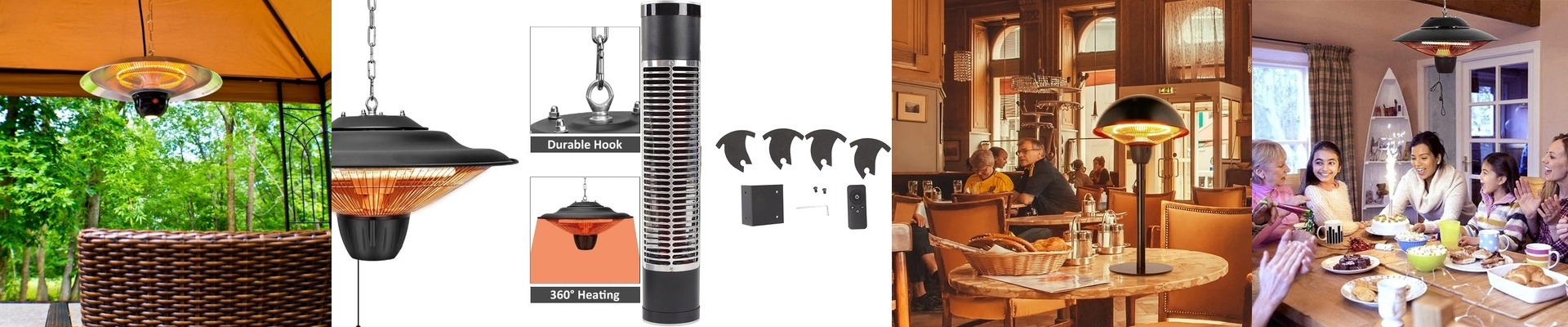
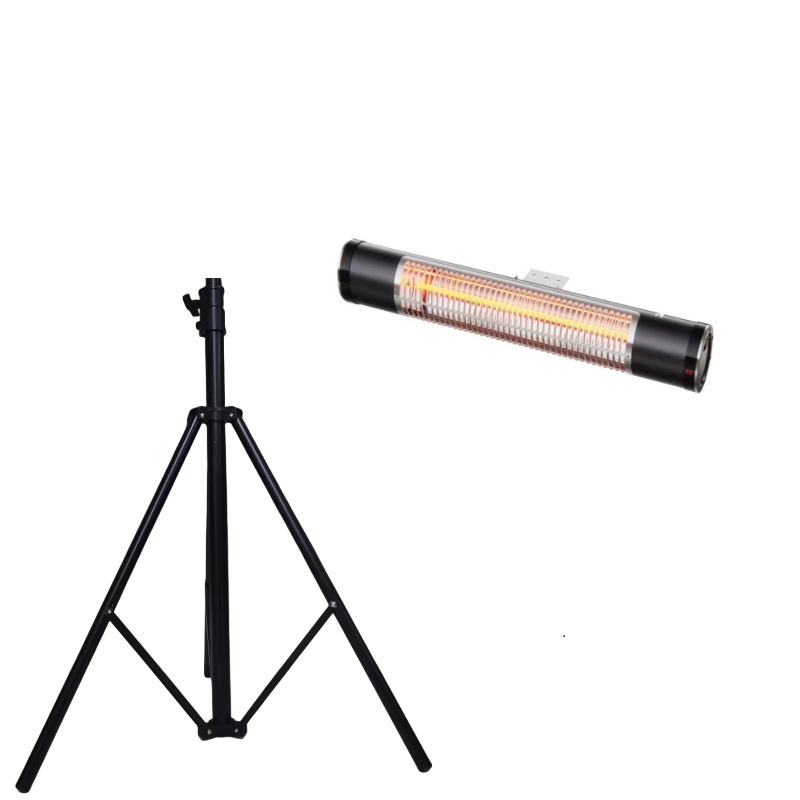
Keeping Your Bathroom Heater from Becoming a Hazard
Let’s be honest: bathrooms are a nightmare for electronics. You’ve got steam everywhere and water droplets clinging to every surface. That moisture creates a perfect path for electricity to go where it absolutely shouldn’t, which is how you end up with short circuits or, worse, a dangerous leak. If you want a heater that actually stays safe, you have to obsess over the materials and the seals.
Dealing with the Damp
We go with high-purity quartz glass for the heating tube. It’s a rock-solid barrier that keeps the tungsten filament inside and the wet air outside. But the real trick isn’t just the tube. It’s the ceramic insulators. In a steamy room, moisture can create a “track”—basically a little carbon bridge—that lets current jump from the live terminal straight to the metal chassis. To stop that, we make sure there’s plenty of distance (what we call creepage) so the electricity has no easy way to jump ship.
The Weakest Link: The Seals
Most failures happen at the connection point. It doesn’t matter if you’re using R7s or pin-bases; if the seal between the quartz tube and the electrode isn’t airtight, you’re in trouble. We use glass-to-metal seals to keep moisture from wicking into the tube. Here’s why that matters: if even a tiny bit of steam gets inside, the halogen gas leaks out. Once that happens, your filament will burn out in a matter of hours. And don’t forget the wiring. Standard wires won’t cut it here. We use silicone-insulated leads because they don’t crack when they get hot and then cool down. If the jacket cracks, you’ve got bare copper sitting in damp air. Not a great combo.
The Balancing Act
High-wattage infrared lamps are great because they heat up instantly. But they also get incredibly hot, which causes materials to expand and shrink. That constant movement puts a lot of stress on the seals. You can’t just jam a powerful lamp into a tight metal box and call it a day. Without the right airflow, you’ll cook the wiring insulation, no matter how fancy your lamp is. It’s all about finding that sweet spot between raw heat and enough breathing room to keep the whole thing from melting down.