


Why Your Bathroom Needs Better Heat
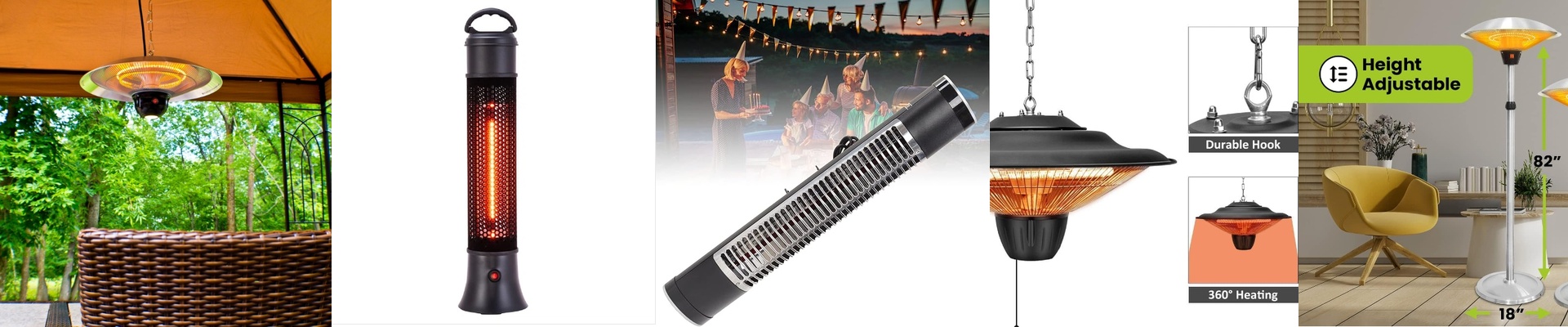
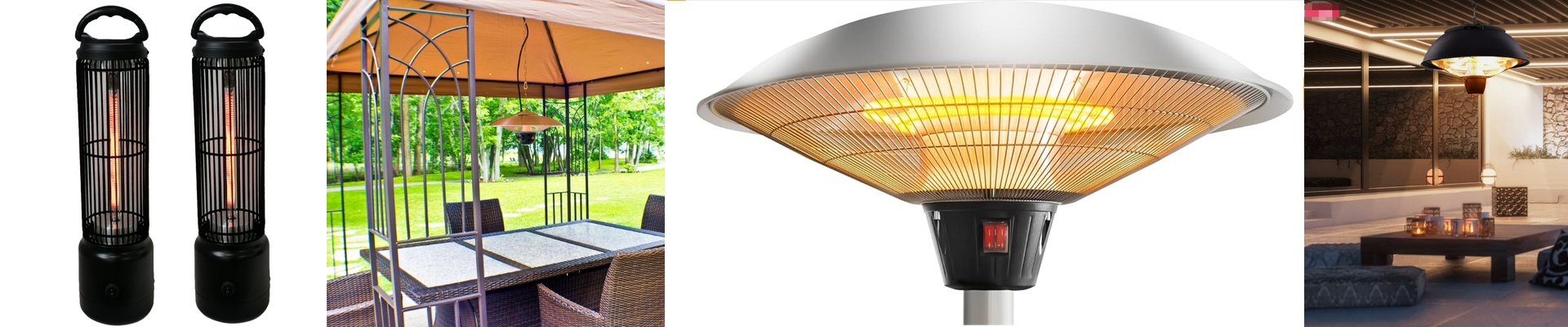
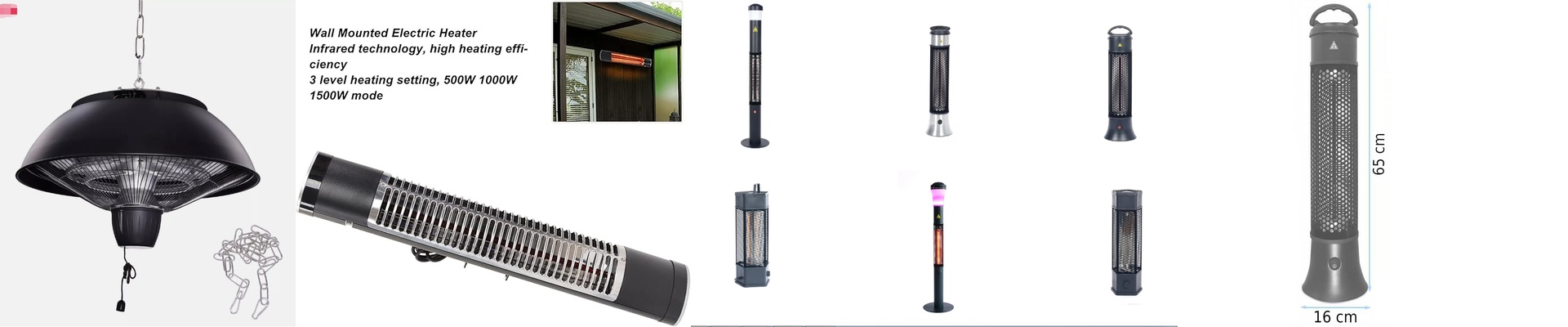
Ever step out of a hot shower into a bathroom that feels like a walk-in freezer? It’s the worst. Most of us have those basic heat lamps, but they usually can’t keep up—especially when the room is thick with steam. That’s why more people are switching to high-standard waterproof infrared heaters. Instead of trying to warm up all the air in the room, these things beam heat directly onto you. It’s an instant difference.
Dealing with the Damp
Bathrooms are basically torture chambers for electronics. You’ve got steam everywhere and the occasional splash of water. In a cheap heater, that moisture creeps in, hits the wiring, and—pop—it’s dead. To stop that from happening, you need a unit with a high IP rating. In plain English? It means the thing is actually sealed. Cheap lamps usually leak at the gasket. The good stuff uses silicone seals and casings that won’t rust or corrode. It keeps the water out of the chassis so you aren’t replacing your heater every six months.
The Magic of Infrared
Here is the thing about traditional heaters: they warm the air. But warm air rises. So, the ceiling gets toasty while your toes are still freezing on the tile. Infrared is different. It sends heat in a straight line. You feel it the second you turn it on. Plus, because these are built for wet zones, the heating elements are usually coated or tucked inside quartz. This keeps the glass from getting cloudy or wearing out just because the air is damp.
The Trade-offs
Now, there is a catch. You can’t just swap a lightbulb and call it a day. These units pull a lot of power to get that instant heat, so they need their own dedicated circuit. If you try to wire them into your existing lighting circuit, you’re probably going to trip your breaker. And yeah, they cost more upfront than a cheap lamp. You’re paying for the better materials and the seals. But honestly? It’s worth it to stop the endless cycle of buying replacement lamps that burn out the moment the room gets steamy.