
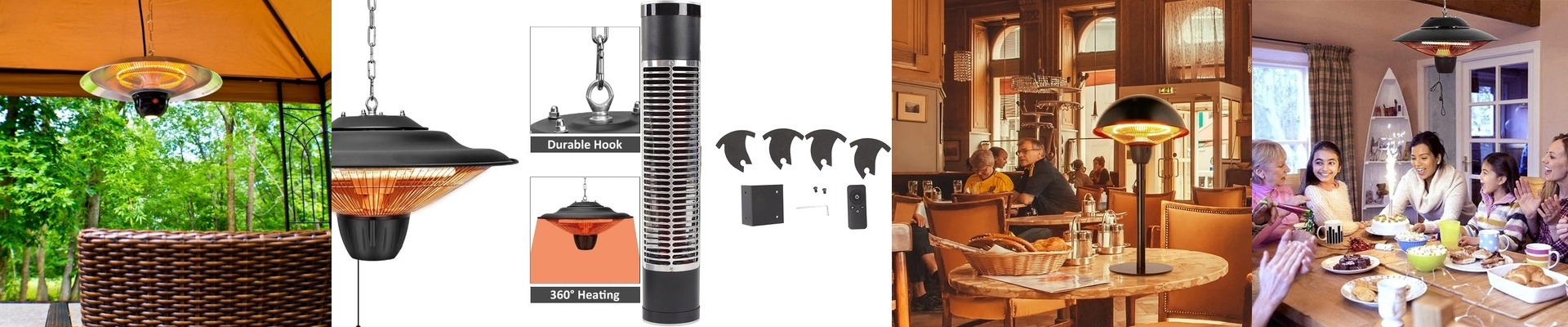
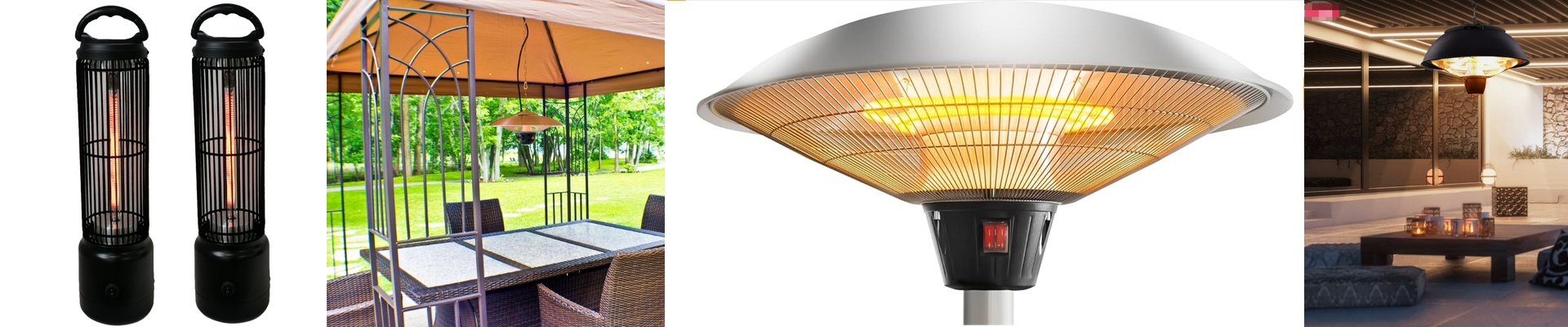
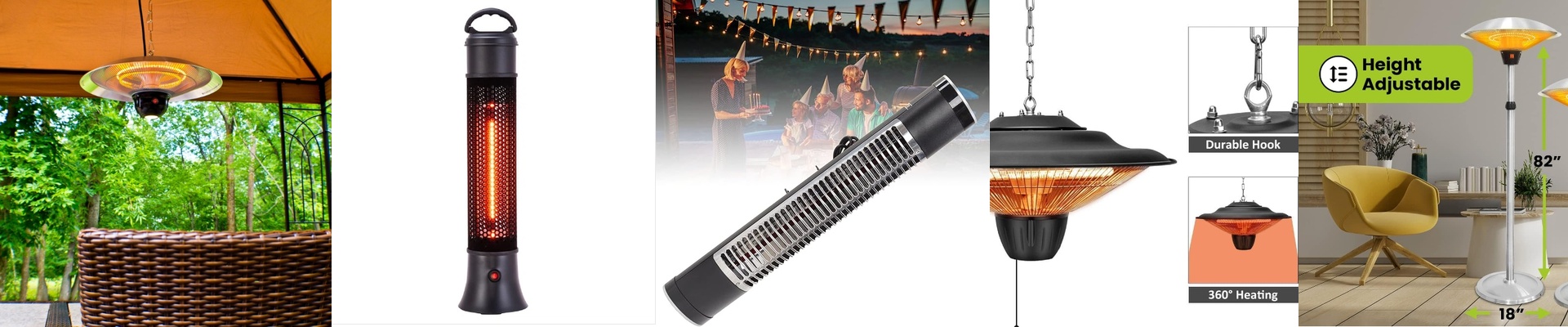
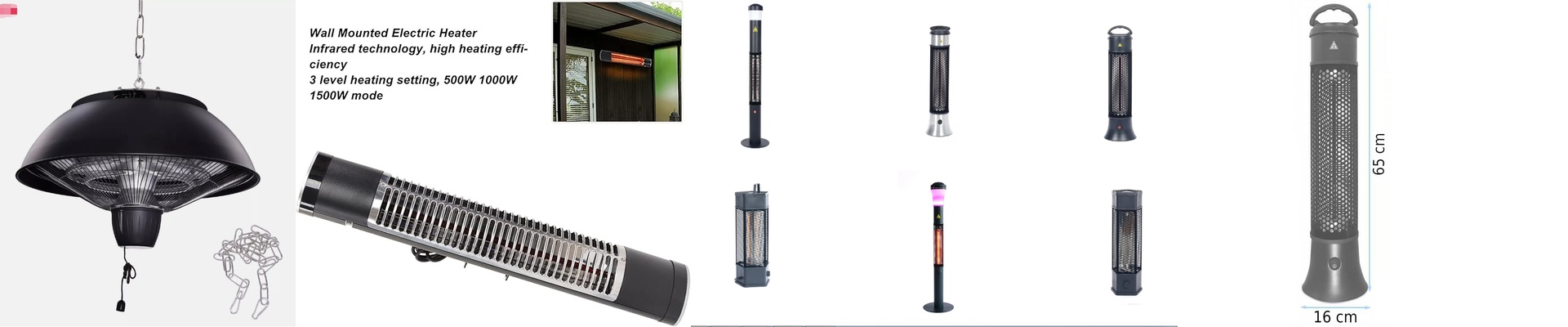
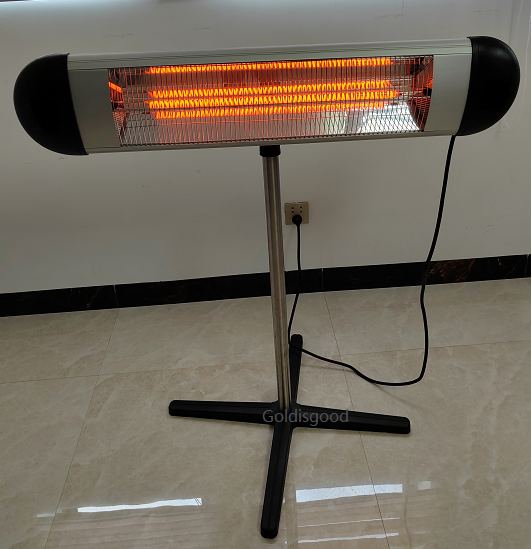
Why You Should Swap Those Old Bathroom Heat Lamps for High-IP Infrared
Ever noticed how those old-school bathroom heat lamps just… don’t work? You turn them on, wait forever, and your feet are still freezing. Worse, in a steamy bathroom, those cheap housings are basically magnets for water vapor. One bad leak and you’ve got a short circuit or a dead bulb. That’s why we’re seeing everyone move toward high-standard waterproof infrared heaters. They actually handle the steam of a hot shower without making you worry about the electricals.
The “Warm Air” Problem
Here’s the thing about traditional heaters: they try to warm up the air. But hot air rises. It floats straight up to the ceiling and disappears through the vent, leaving you shivering on the bathmat. Infrared is different. It doesn’t bother with the air. Instead, it sends out a thermal beam that hits your skin and the floor directly. You feel it the second you flip the switch. It’s like stepping into a patch of sunlight on a cold day. And because it’s focused, the humidity in the room doesn’t really touch the performance.
Keeping the Water Out
To make these things actually survive in a bathroom, we have to be obsessive about the IP rating (that’s just the fancy way of saying “how waterproof is it?”). A basic lamp won’t cut it. We use reinforced quartz glass and heavy-duty gaskets to seal everything tight. We also coat the internal wiring to stop steam from eating away at the metal contacts. If you’re picking these out for a remodel,**check the seals.**If they’re flimsy, you’ll eventually get current leaking into the chassis, and nobody wants that.
A Quick Warning on Installation
One heads-up: these units pack a punch. They pull way more power than a simple light bulb, so you can’t just plug them into your old lighting circuit and hope for the best. You’ll want to make sure your wiring gauge can handle the load, or you’ll deal with voltage drops. Higher wattage means you get warm faster, but it’s harder on your breakers. If you’re putting a few of these in one room, size your circuit for the absolute peak load. Better to over-prepare now than to trip the power in the middle of a shower.