
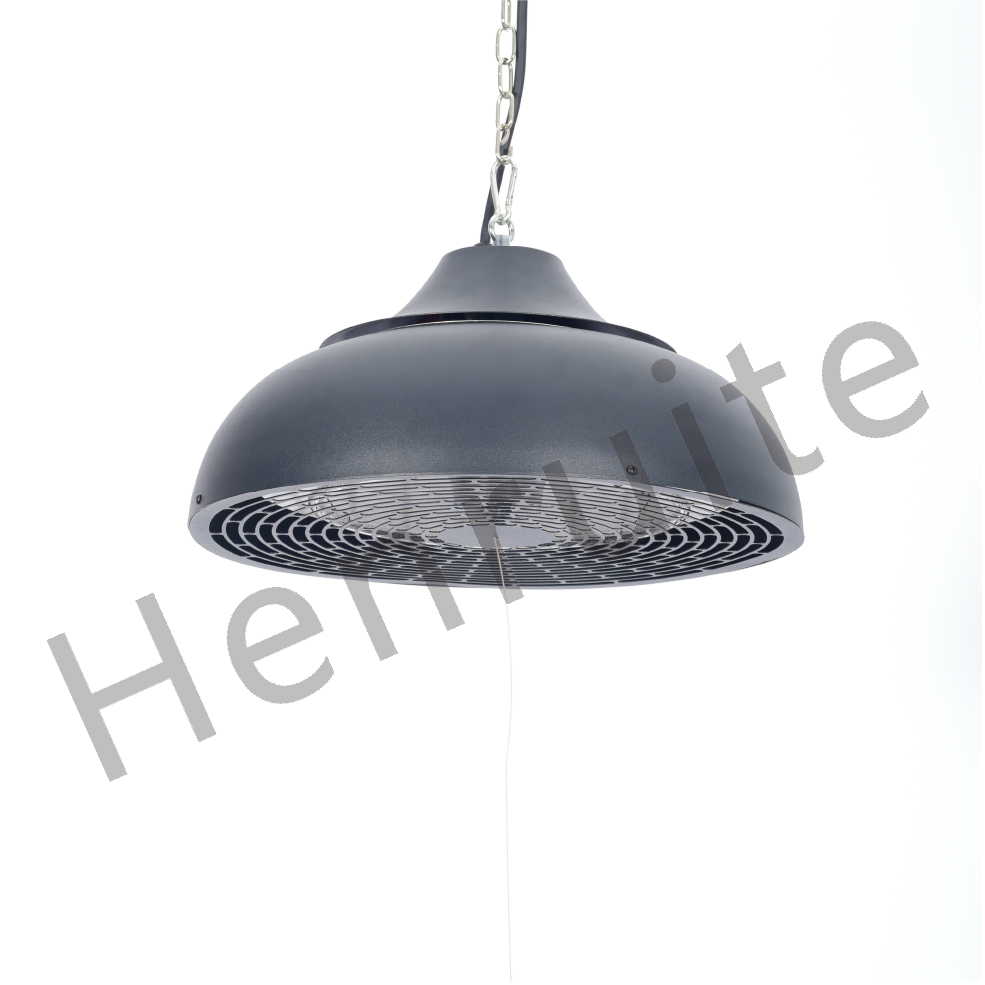
How we stop outdoor heaters from dying in the rain
Let’s be honest: the outdoors is a nightmare for electronics. Between the humidity, the sudden downpours, and that annoying condensation that seems to appear out of nowhere, outdoor infrared heaters are basically fighting a losing battle from the moment you plug them in. Most heaters fail in two places: the heating element and the wiring. If you don’t fix those, you’re just buying a very expensive piece of scrap metal. The battle against splashes Here is the thing about quartz tubes: they hate water. If a cold drop of rain hits a scorching hot tube, it doesn’t just “wet” the surface. It causes thermal shock. The tube cracks. Game over. To stop that, we built a chassis that basically acts like an umbrella, diverting water away from the emitter. We use IP-rated enclosures because “water-resistant” isn’t good enough when you’re dealing with a storm. Then there’s the fogging. You know how your glasses fog up? The same thing happens to the reflector. When water droplets cling to the surface, they scatter the heat instead of pushing it toward you. We treat our reflectors so the water just slides off, keeping the beam tight and focused. Keeping the guts dry The real killer, though, is the terminal. When moisture hits the wiring, corrosion starts eating away at everything. We don’t take chances here. We seal the connection points with heavy-duty gaskets and waterproof boots. It stops “creepage”—that’s when moisture creates a little bridge for electricity to travel where it shouldn’t. Without these seals, you’re looking at tripped breakers or a fried controller. Not exactly the vibe you want for a cozy evening on the patio. The trade-off Now, there is a catch. Making a heater waterproof means adding a protective shell, which makes the unit a bit bulkier. You won’t get the same airy, open-frame feel you find with indoor heaters. Also, these casings add weight, so make sure your mounting brackets are sturdy. But that’s the deal. We’d rather you deal with a slightly heavier heater than have to call a technician every month to dry out your circuit boards. We’ve pushed the failure point from “right now” to “years from now,” so you can actually enjoy your winter without worrying about the weather.