
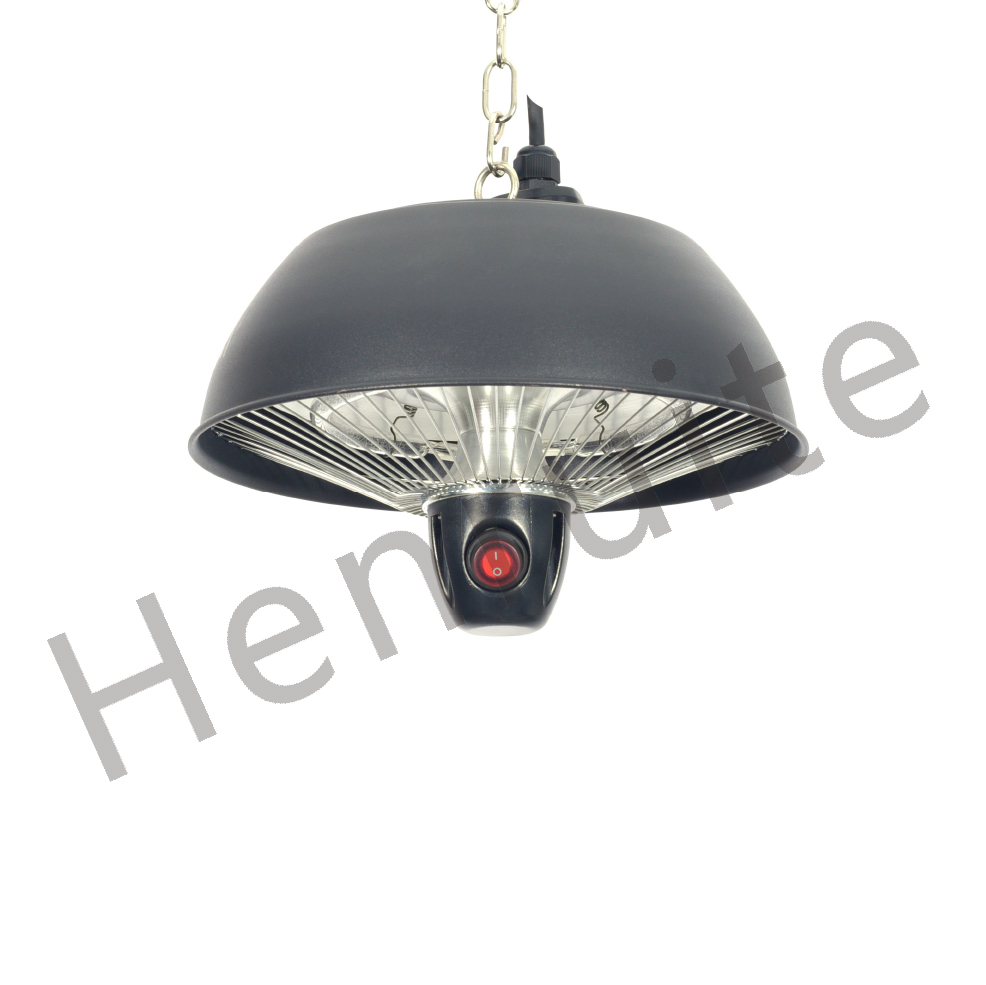
Why we put our bathroom heaters through the “damp heat” ringer
If you’ve ever put a heater in a steamy bathroom or out on a nightclub patio, you know the deal. You aren’t just fighting the cold. You’re fighting a constant battle against steam, condensation, and that heavy, clinging moisture in the air. Plenty of brands will tell you their lamps are “waterproof.” But that’s a vague word. It doesn’t tell you much. Here’s the real problem: a seal that looks great on day one can easily fall apart by day ninety. That’s why we focus on damp heat aging tests.
The sneaky side of steam
Water vapor is a different beast than liquid water. It’s smaller. It finds the tiny gaps in seals that look perfectly tight to the naked eye. Once that moisture sneaks inside and hits the electrical contacts or the quartz tube’s end-caps, things get messy. It starts to oxidize. For a high-wattage infrared lamp, that oxidation creates resistance. And resistance creates heat. Not the good kind of heat you want for your bathroom, but the kind that happens at the connection points. If the seal gives way, the lamp doesn’t just stop working—it burns out early or pops your breaker.
How we actually test this
We don’t just spray the units with a hose and call it a day. Instead, we lock the heaters in a climate chamber. We crank the heat between 40°C and 85°C and keep the humidity at a stifling 95% for hundreds of hours. It’s basically a sauna from hell. This forces the gaskets and adhesives to degrade way faster than they would in a normal home. We’re looking for any “creepage”—basically checking to make sure electricity isn’t finding a shortcut across the insulation where it shouldn’t.
The balancing act
Now, you might think, “Just seal it tighter!” But that’s a trap. If we seal the unit too aggressively to keep the steam out, we trap the heat inside. You end up baking your own internal wiring. It’s a bit of a tightrope walk. We have to balance the IP-rating with enough thermal venting so the electronics don’t cook themselves while the steam stays outside. Nobody wants a heater that flickers or dies after a month of heavy use. That’s why we obsess over the seals and run these aging tests before anything ever leaves our floor.