
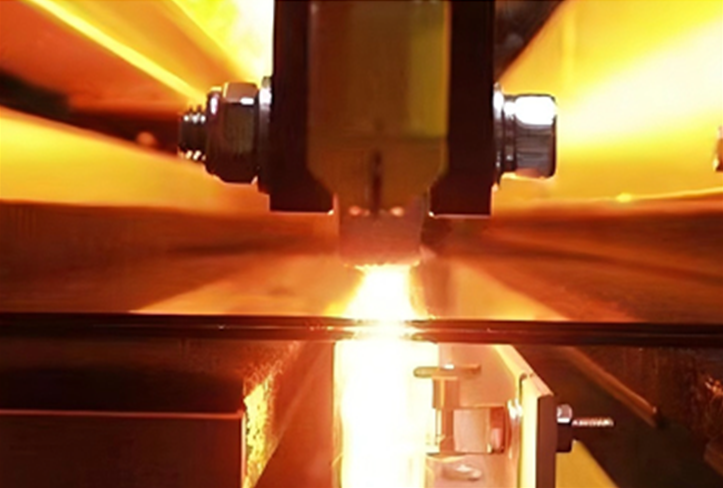
Stop Gambling With Your IR Tubes
Ordering a clear quartz infrared tube based on a datasheet is basically a coin flip. I see it all the time. Someone buys a tube because the wattage and length look right on paper, but then the lamp burns out in two weeks or just never gets the part hot enough. The problem isn’t the glass. It’s everything around it.
The reality of clear quartz
These tubes are built for high-intensity heat that digs deep into your material, not just the surface. We use high-purity silica so the tube doesn’t warp when things get scorching. But here’s the catch: if you’re cramming high wattage into a small space, your reflectors become the bottleneck. Imagine a 3000W tube. If your reflector is old, oxidized, or just a few millimeters off, that energy doesn’t go toward your product—it bounces straight back into the quartz. That creates hotspots. And hotspots kill filaments. Fast.
The “drop-in” trap
A lot of people treat IR tubes like they’re replacing a light bulb in a hallway. They aren’t. A tiny shift in voltage or a slight change in where the lamp is focused can mess up your entire curing cycle. That’s why we’re big on diagnostics. We want to see your actual electrical load and how your air is moving. Is your power supply spiking? Are your cooling fans actually doing their job, or are they just making noise? If you plug in a high-output tube without checking how the housing handles the heat, you’re basically cooking your own equipment.
Finding what actually works
We don’t just ship a part number and hope for the best. We look at the actual gap between the tube and the piece you’re heating. We look at your cycle times. Usually, when tubes keep failing, the answer isn’t “get a tougher tube.” It’s more likely that the thermal layout needs a tweak or the power ramp-up is too aggressive. We fix the root cause, not just the symptom.