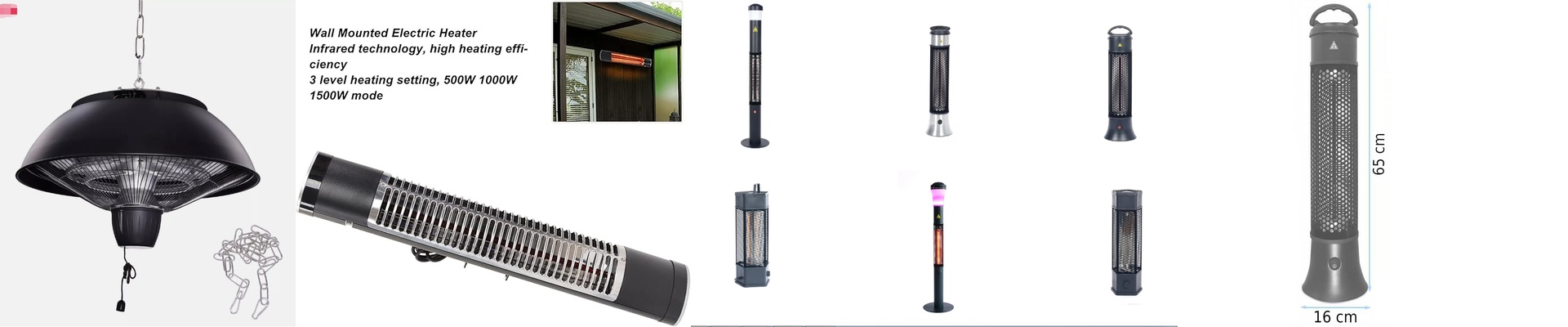

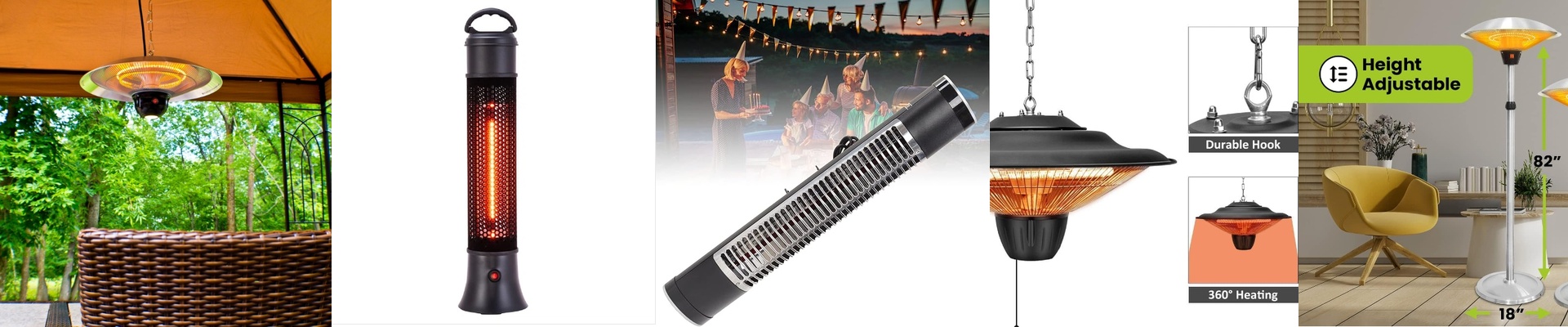
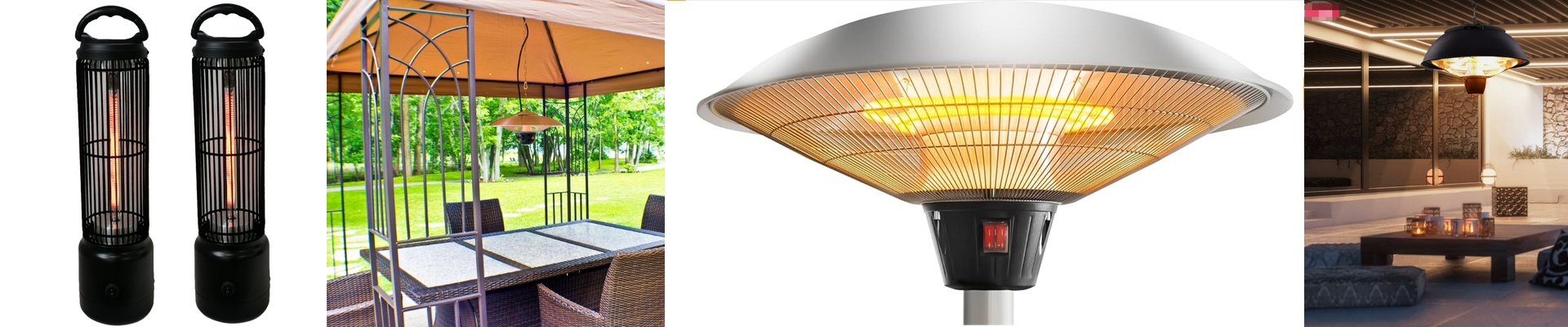

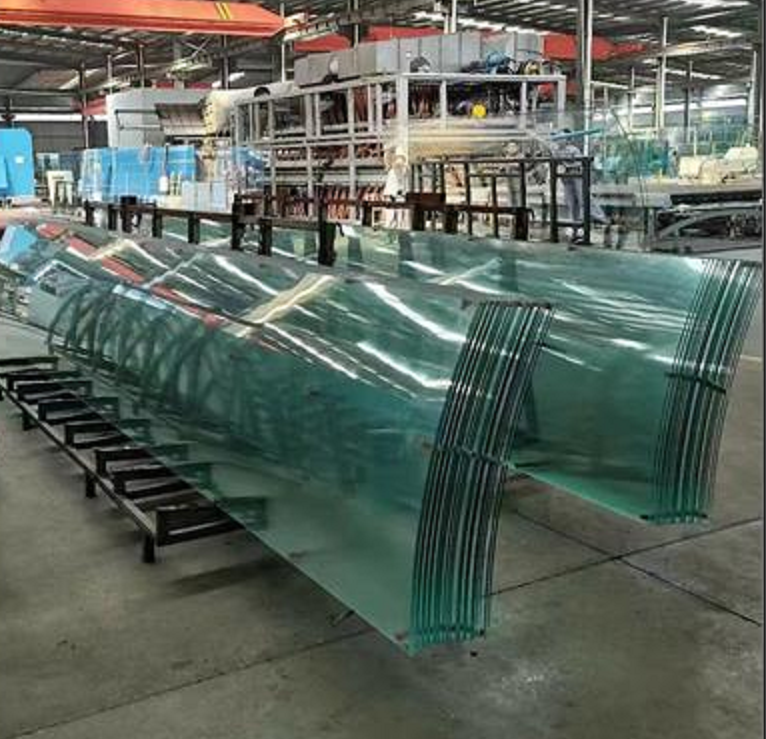
Getting the Heat Right: Why Power Density Matters for Glass R&D
When you’re swapping out a quartz heater tube, it’s easy to just look at the length and diameter and call it a day. But if you’re actually doing R&D on glass materials, that’s just the bare minimum. The part that actually matters?Power density distribution. Standard tubes are great for steady, uniform heat. But in a lab, you usually need something a bit more chaotic. You need thermal gradients. You need to see how a new glass blend handles a sudden spike of heat in one spot or a rapid phase change in another.
Mapping the Heat
We don’t just look at the total wattage and stop there. We look at where that energy actually lands. By playing around with the filament winding pitch and how dense the coils are, we can build “hot zones” and “cool zones” right into a single tube. It’s a clever way to mimic a massive industrial furnace on a tiny benchtop scale. Ever had a sample that burns out in the middle while the ends are barely warm? We just shift the power load. You get a custom thermal footprint without having to mess around with a dozen different controllers.
The Trade-offs (The Honest Part)
Here’s the thing: when you customize where the power goes, the electrical load changes. If you cram too much wattage into a short section, the heat flux jumps. You have to make sure your quartz grade can actually take that kind of localized expansion. If you don’t balance the cooling airflow, those high-density zones can wear out your tube a lot faster. Also, double-check your housing clearances. You don’t want your chassis soaking up all that heat.
Actually Using It in the Lab
These tubes slide right into your existing setup, but they give you a lot more room to play. You can test a bunch of different temperature ramps without having to tear down and rebuild your entire rig. We give you the raw data—exactly how much output you’re getting per centimeter—so when you wire it up, you know exactly where the heat peaks. No more guessing. Just data.