


Stop Treating Your Quartz Tubes Like Lightbulbs
Most people treat medium wave quartz tubes as basic commodities. You check the wattage, double-check the length, and swap the lamp. Done. But here’s the thing: a quartz tube is only as useful as the heat it actually puts onto your workpiece. If the thermal profile is off, the tube is just a fancy piece of glass.
The real story behind the heat
Medium wave is a bit of a sweet spot. It digs deeper into your materials than short-wave, but doesn’t wander as far as long-wave. When we spec out a tube, we aren’t just staring at voltage numbers. We’re looking at heat density. Now, you can cram a lot of wattage into a short tube to get massive energy, but that puts a ton of stress on your reflectors. If those reflectors are pitted or oxidized, you’re basically throwing 30% of your energy into the air. It’s a waste.
The grit and the gear
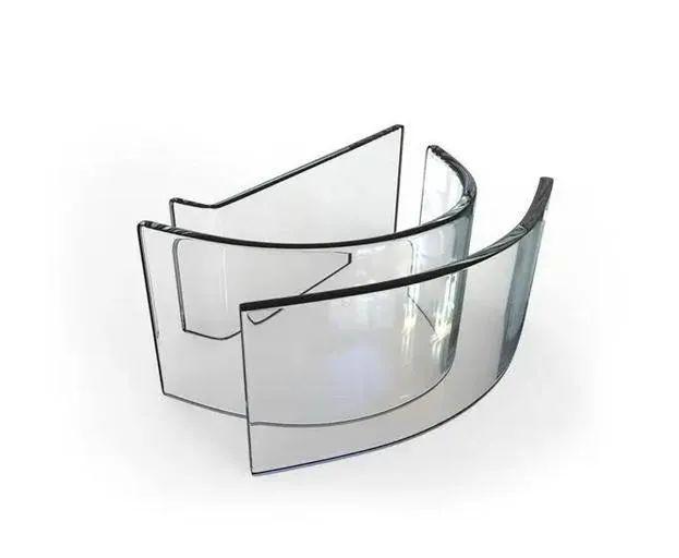
We stick with high-purity quartz because it handles thermal shock without cracking. Depending on what you’re actually curing or drying, we might suggest a coated tube. It shifts the emission spectrum, which is a lifesaver if your material is too reflective and just won’t soak up the heat. Then there are the connectors. Whether you’re using a standard R7s or a heavy-duty Sk15, this is where things usually go wrong. In a high-speed line, vibration is the enemy. Loose connections lead to arcing. That arcing burns out the ends of the tube. You won’t find that mentioned in a datasheet, but you’ll definitely see it when your line goes down.
Why we’d rather visit your shop than ship a box
“Drop-in replacements” often fail. Why? Because the original system was probably calibrated poorly to begin with. That’s why we prefer to get our hands dirty and do field diagnostics. We want to see your actual surface temperatures and check your power draw in real-time. If your tubes are burning out too fast, it’s rarely a problem with the glass itself. Usually, it’s a mismatch between the lamp’s power and how your air is flowing for cooling. We’d rather adjust the specs to fit your actual shop-floor reality than follow some theoretical manual written in a lab.