
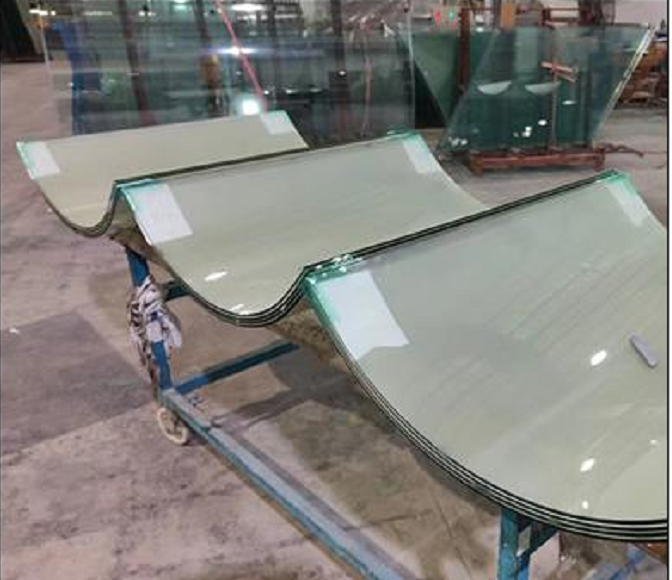
Getting Low-E Glass Preheating Right (Especially When It’s Wide)
If you’re preheating wide-format Low-E glass, you already know the headache of cold spots. It’s frustrating. You look at your substrate and realize the heat isn’t hitting every inch evenly. When your line stretches past 3 meters, those standard lamps you buy off the shelf just can’t keep up. That’s why we build custom infrared units. We design them specifically for those massive heating tunnels where “standard” just doesn’t work.
The Struggle with Length and Power
Here’s the thing: once you go beyond 3 meters, physics starts working against you. Voltage drops. Metal expands. It’s a mess. We handle this by obsessing over the wattage per linear centimeter. We make sure the heat profile stays flat from one edge to the other. Why? Because if the power density is off, your glass bows or the coating doesn’t stick. Neither of those is a good day at the office. We stick with high-wattage quartz tubes. They can push the kind of heat flux Low-E processes demand without burning out every few weeks. Just make sure your power supply is beefy enough to handle the whole array.
Making It Actually Fit
Nobody wants a nightmare installation. We focus heavily on the mounting footprint so these units slide into your existing lines without a fight. One detail people often overlook is sagging. A 3-meter span of quartz is heavy. We use reinforced supports so the tubes don’t dip in the middle. And for the wiring? We’ve got you covered. Whether you’re using standard R7s or industrial pins, we build the connections to take a beating from the constant vibration of your conveyor system.
A Word of Warning on Heat
These arrays are powerful. Really powerful. But all that energy doesn’t just go into the glass—a lot of it leaks into the air. If you aren’t careful, that ambient heat will fry your control electronics. You’ll want to be aggressive with your cooling fans and ventilation. Get that wasted heat out of the tunnel fast, or you’ll be dealing with tripped thermal cut-offs and sensors shutting down right in the middle of a run.