Stop Waiting Months for a Simple Spare Part
There is nothing worse than a production line grinding to a halt because one OEM part is out of stock. It’s frustrating. It’s expensive. And when it’s the heating element in your scientific glass annealing bulbs, your whole process basically stops breathing. We don’t think you should have to wait months for a brand-name shipment just to get back to work. That’s why we do7-day rapid customization. We get your machinery humming again in a week, not a quarter.
Getting the Heat Right
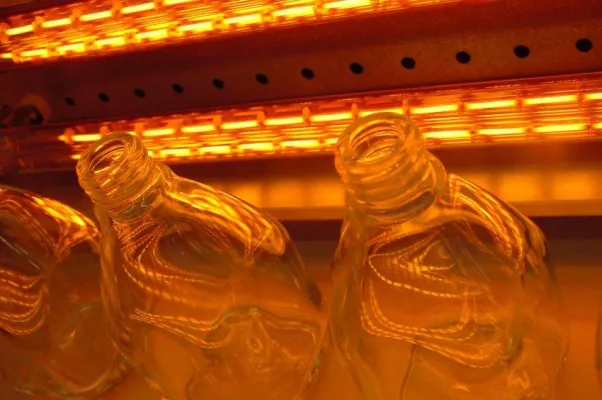
Annealing is all about the details. If the temperature gradient is off, you get internal stress in the glass, and that’s a recipe for disaster. We use short-wave infrared tech because it actually penetrates deep into the glass bulb quickly. It’s not just surface heat; it’s a thorough soak. We can tweak the wattage and voltage to fit your specific machine’s footprint, which lets us dial in the heat density exactly where you need it. Just a heads-up: if you’re going for high-wattage tubes to handle thick-walled glass, double-check your power supply. You don’t want to be tripping breakers in the middle of a run.
The Nitty-Gritty on Materials
We build these lamps with high-purity quartz. Why? Because annealing cycles are brutal, and quartz can handle that kind of thermal shock without cracking. Depending on what you’re working on, we can add specific coatings to the quartz. This shifts the emission spectrum, basically pointing the energy exactly where the bulb needs it most. And don’t worry about the installation. We use standard industrial connectors—like R7s or Sk15—so these aretrue drop-in replacements. You won’t have to spend your afternoon rewiring housings or messing with lamp holders. It just fits.
Making it Work in Your Shop
Our goal is simple: we want this to be a 1:1 swap for your burnt-out lamp. We match the length and diameter perfectly so the lamp sits right in the center of the reflector. But here is the thing… if you try to cram too much wattage into a really short tube, you’re putting a lot of thermal load on the ends of the lamp. If you go that route, make sure your cooling fans are cranking. You don’t want your sockets melting. To make sure everything is safe, we provide the exact thermal profile for every custom build we send out. You’ll know exactly how it behaves before you even plug it in.