
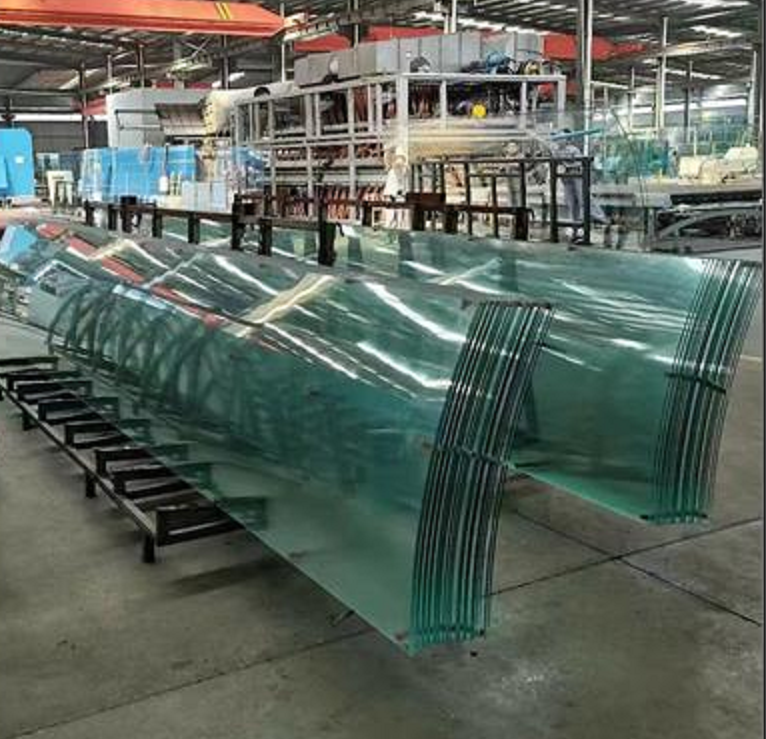
Out on the glass line, heat is never just heat. It’s the difference between a tempered pane that clears impact and one that cracks under thermal stress. It’s the difference between hitting cycle time and watching the whole schedule slide. We built our heating setups for that reality, not for some glossy brochure. What matters under the hood We match the heater to the job. Short-wave quartz when you need fast, high-intensity input. Medium-wave when you want balanced penetration and control. Carbon-fiber or NIR elements when the geometry calls for quick, localized heat with low inertia. Power density is picked to suit glass thickness and emissivity, and we shape the thermal field to cut down hot spots that drive bow and optical distortion. Voltage, connectors, and mounting are specified to drop into your existing tooling—so a retrofit doesn’t turn into a six-week redesign. Why this plays in real production In tempering, uniform heating lowers the risk of edge cracks and improves opticals, so first-pass yield climbs. In bending, controlled ramp rates and repeatable soak profiles give you consistent sag—fewer reworks, less scrap. In lamination and coating drying, the heat lands where you need it, fast, so you shorten dwell without scorching the substrate. Across the floor, the numbers show up: lower kWh per part, fewer heater changes, and less unplanned downtime. The details that make it work Custom integration only matters if it fits. Give us the machine footprint, the thermal profile you have to hit, and the environment—ambient temperature, airflow, and any chemical exposure. The heater performs best when the control strategy lines up with the element response: PID tuning, thermocouple placement, and interlocks. Expect a bit longer lead time for tailored geometry and materials, but the payback lands in energy savings, higher yield, and less maintenance.