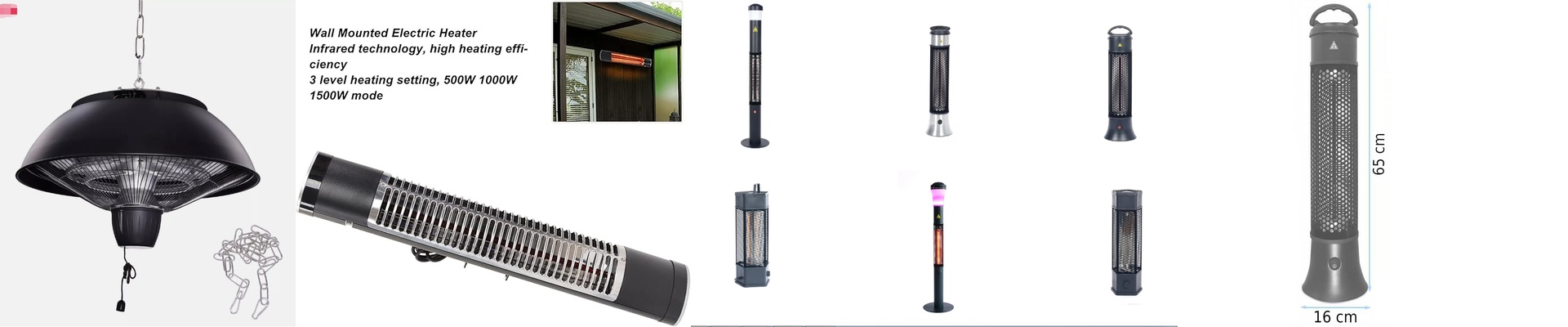



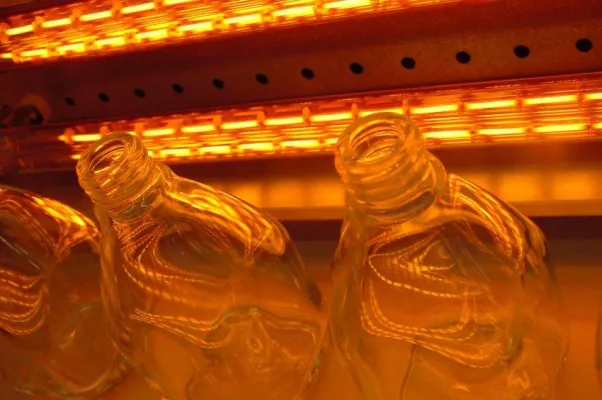
On the glass line, furnace temperature stability isn’t a nice-to-have. It’s the thin line between making yield and cutting scrap. When heating elements start to lag, you see it immediately—uneven tempering, bending drift, and coating cure that falls off spec. We built our batch furnace heating elements to hold the thermal field steady and repeatable, shift after shift. What matters under the hood We use medium-wave quartz heating elements, because they respond fast and give predictable emissivity across glass cycles. They run on standard industrial voltages and drop into common mounting footprints, so swap-in on existing batch furnaces is straightforward. Power density is tuned to the glass load, not cranked past it—less hot spotting, and ramp rates stay under control. In practice, that means tighter temperature uniformity, fewer alarms, and less risk of thermal shock. Why it holds up in real glass work Tempering, bending, and coating drying all demand consistent soak profiles. These elements cut warm-up time and settle the chamber faster, so you can run more heats without chasing setpoints. The payoff is higher throughput and fewer off-spec sheets. Energy use drops because the system recovers quickly after door openings and load changes, and element life stretches out when the furnace isn’t swinging wildly. A few shop-floor notes These elements do their best work when furnace seals are sound and the load is balanced. If your furnace throws heavy convection turbulence or has uneven baffling, you may need minor layout tweaks to hit the tightest uniformity. Before ordering, confirm connector type and lead length—matching the interface prevents hot spots at the terminals and keeps the changeover quick and safe.