

On the glass line, heat isn’t just temperature—it’s control. A thermal profile that drifts during tempering leaves residual stress in the glass. One cold spot during bending shows up as optical distortion. Ramp the heat too slow in lamination, and you stretch dwell time and burn extra energy. When the oven heater underperforms, you pay for it in scrap, rework, and lost throughput.
What matters under the hood
We build industrial oven heater parts around one idea: repeatable heat delivery. Quartz and short-wave infrared modules give fast response and tight temperature uniformity, with power density matched to the process window. The elements are engineered for high emissivity and stable output, so the oven comes back to setpoint quickly after door cycles and holds that temperature across the glass. Voltage, wattage, length, and terminations can be specified to match your existing oven ducts and mounting brackets. That means a drop-in replacement without re-engineering the line. Materials are chosen for thermal shock resistance and chemical exposure, because coating solvents and high-temperature profiles chew through weaker parts fast.
Why this matters on real processes
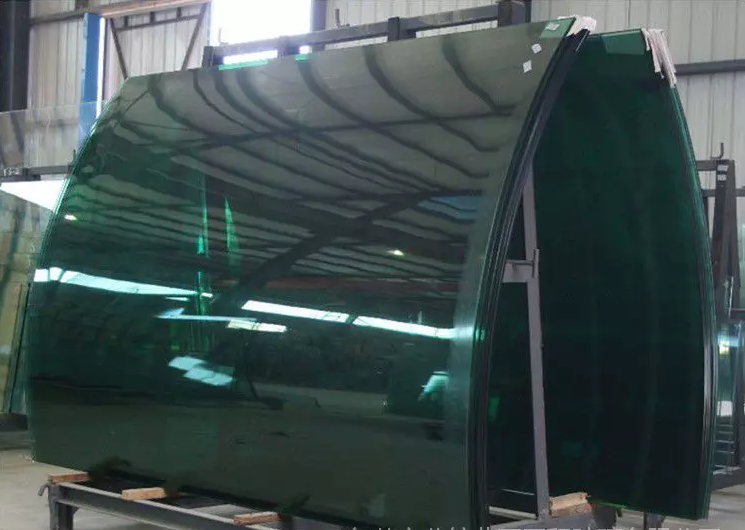
Tempering needs a rapid, even soak to hit the quench point without thermal stress fractures. Bending requires controlled softening so the glass drapes predictably and keeps optical clarity. Coating drying demands a uniform profile that drives off solvents without blistering. Lamination and insulating glass sealing both need stable, repeatable heat to activate adhesives and cure seals consistently. Our heater parts keep the oven field uniform, cut down temperature swings, and shorten ramp-to-soak. In practice, that means fewer rejects from warp and optical defects, more consistent cycle times, and lower kWh per square meter of processed glass.
The details that keep it running
These heaters are built for industrial duty, but performance still depends on the oven environment.**Clear airflow and clean reflectors aren’t optional.**Convection and radiation paths have to stay unobstructed. Match element geometry and mounting to the original spec—mismatched spacing creates hot and cold bands. Plan for proper thermal insulation and guarding at operating temperatures. Also, confirm compatibility with your controller and temperature sensors so you don’t get overshoot. When it’s installed right, the system runs steadier, and maintenance intervals stretch out because the heat profile stays repeatable shift after shift.