
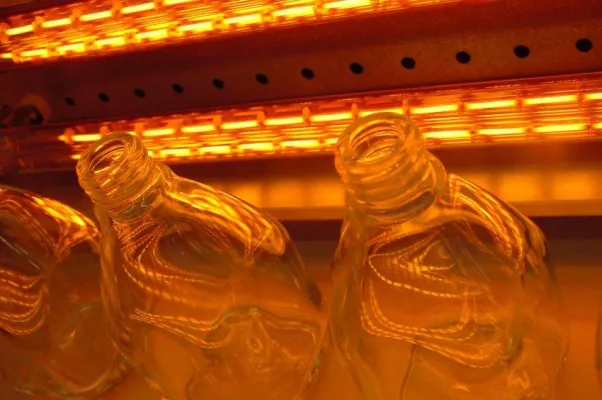
Cutting through ultra-thick glass is basically a fight against the material itself. If you try to score thick glass while it’s cold, you’re just punishing your equipment. Your cutting wheels wear out way too fast, and you end up with cracks appearing in places you didn’t intend. It’s frustrating. To fix this, we use shortwave infrared (IR) lamps. Instead of just warming the surface, these lamps actually sink deep into the glass. Here is how it works: we target the exact path where the wheel is about to hit. This creates a little “soft zone” in the glass. When the wheel finally makes contact, it doesn’t have to fight the material—it just glides. This changes everything for your tools. Most cutting wheels die because the friction and pressure simply overwhelm the tungsten carbide. By softening the glass first, you aren’t forcing the tool to do all the heavy lifting. You’ll notice your wheels last much longer. You get way more meters out of a single blade before you have to stop and swap it out. But, there’s a catch. These lamps put out an incredible amount of heat. You can’t just set them up and forget about them. If your positioning is off by even a few millimeters, you risk overheating the surrounding area. That leads to thermal shock, and that’s how you end up with a shattered piece of glass all over your shop floor. The trick is getting the lamp to move in perfect sync with the cutting head. We suggest using a focused beam. It keeps the heat right on the score line, which saves energy and keeps the rest of the plate stable. Just make sure you wire it to a precise PID controller. It stops those random temperature spikes that can ruin a workpiece in a split second.