
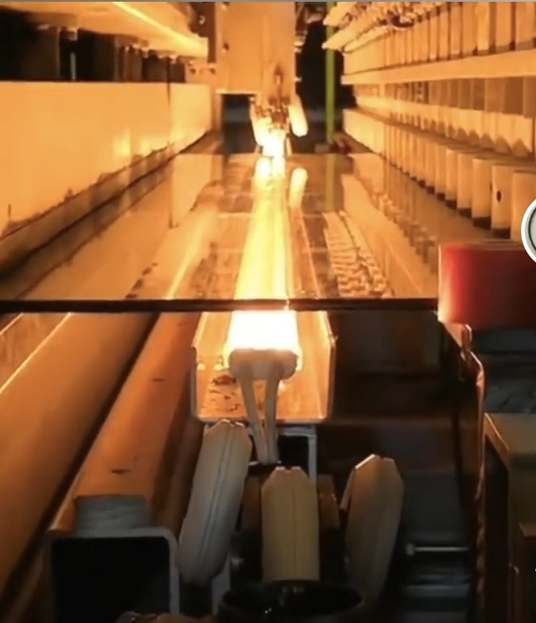
The Struggle with Cold Spots in Glass Tunnel Kilns
Most infrared lamps stop at 1.5 or 2 meters. That sounds like plenty until you’re staring at a massive glass tunnel kiln. When you string those short lamps together, you get these annoying “cold spots” right at the joints. It ruins the consistency of the glass. We figured out a better way. We build custom continuous heating units that push way past that 2-meter mark. The goal is simple: one smooth, steady heat profile across the whole piece of glass. No gaps. No surprises.
Dealing with the Power Crunch
Here is the tricky part. When you make a unit longer, the wattage climbs. If you aren’t careful, you’ll spike the current and fry your wiring. To stop that from happening, we tweak the voltage and the thickness of the filament. You also have to make sure your power supply can actually keep up. There is nothing worse than having the far end of your kiln lose steam because of a voltage drop.
Materials and the “Sag” Problem
We stick with high-purity quartz tubes because they can take the heat. Depending on how thick your glass is, we’ll use either short-wave or medium-wave emitters. We align everything tightly so there isn’t a single gap between the elements. But there is a catch. Long tubes are fragile. When they get screaming hot, they want to bow or sag under their own weight. To fix this, we add reinforced support brackets every 300mm to 500mm. It keeps the quartz straight. If the tube bows, your heat distribution goes wonky—or worse, the tube just snaps.
The Trade-offs
These long units are great for a deep, consistent heat soak, but they aren’t perfect. For one, they’re a pain to replace. If a small section of a 2-meter unit goes out, you’re swapping a much larger piece than you would with a modular setup. Plus, you’ve got to watch your airflow. A massive array of heat puts a huge load on your exhaust and cooling systems. If your fans aren’t up to the task, you risk baking your kiln chassis right along with the glass.