
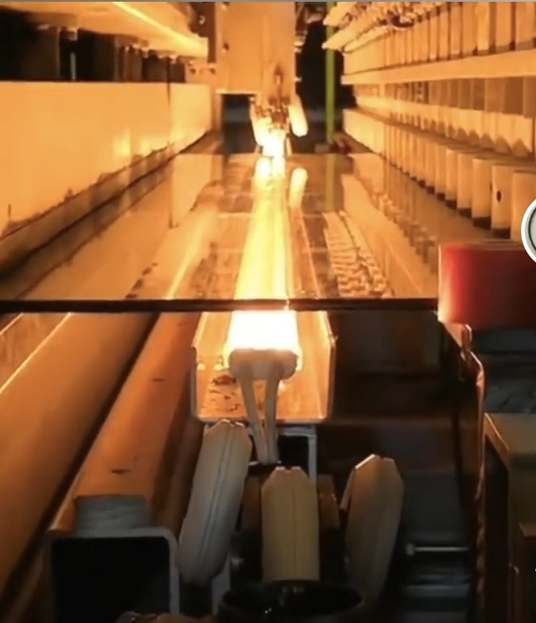
Getting Glass Annealing Right
Annealing glass tubes is a bit of a balancing act. You need a very specific temperature gradient to get rid of internal stress, but if you mess it up, the whole thing just deforms. That’s why we lean on shortwave infrared lamps. They don’t just warm the surface; they punch through the glass much faster than your old-school heaters ever could. The nitty-gritty on power When we’re picking a lamp, it all comes down to heat flux. If you go with high-wattage tubes—think 2000W or more—running at 230V or 400V, you can keep your machine footprint small without losing that critical surface temp. But here is the catch: your voltage has to match your power supply perfectly. If it doesn’t, you get voltage drops. That leads to cold spots. And if you run a lamp under-voltage, you lose that radiation intensity you need to get the glass annealed quickly. It just doesn’t work. Materials that actually hold up We use high-purity quartz envelopes because they can handle the brutal thermal cycling without cracking. For the connections, we usually stick with R7s or Sk15 bases. These aren’t just random plugs. They’re built to handle high current loads so you don’t have to worry about arcing or the sockets burning out. Depending on your setup, we might add gold or aluminum coatings. This pushes the heat forward, focusing all that energy on the glass tube instead of letting it bleed out into the machine frame. What happens in the real world Buying the lamp is the easy part. The hard part? The thermal profile. If your lamps are too close, you’ll end up with “burned” glass from localized overheating. Too far away, and your cycle times start dragging. It’s a tight window. This is why we’d rather come to your site and run diagnostics than just sell you a part from a catalog. Every oven is different. The airflow and reflections in a vacuum furnace are a completely different beast than what you’ll find in an atmospheric conveyor. We look at how your heat is actually moving, then wire it up so your ramp-up and soak times hit the mark. Just a heads-up: make sure your cooling fans are beefy enough to handle the heat building up around those sockets.