


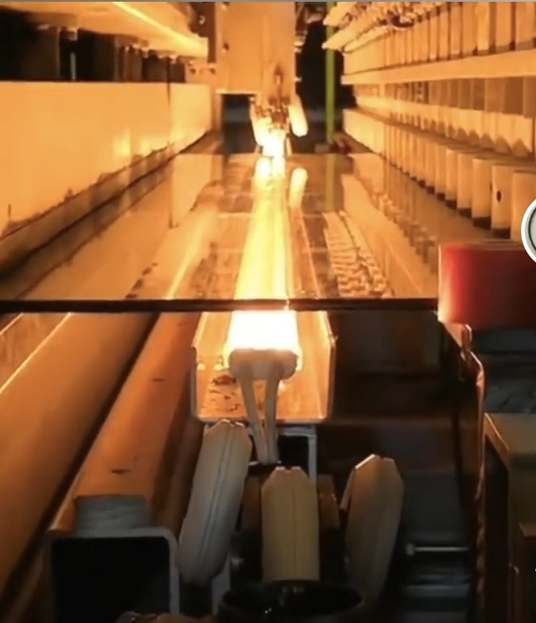
Cutting through ultra-thick glass is basically a fight. You’re going up against a material that doesn’t want to move, and if you just jam a diamond cutter wheel into it cold, the mechanical stress is brutal. It’s a slog. That’s why we use infrared (IR) heaters. We’re essentially changing the rules of the game. Here is how it works. We aren’t trying to melt the glass—that would be a disaster. Instead, we use shortwave IR lamps to warm up the glass right where the cutter is about to hit. This radiation sinks deep into the plate, softening the molecular structure just enough. It makes the glass feel less like a brick and more like something the wheel can actually bite into. The initial score becomes way easier. And your tools will thank you. Cutting thick glass usually kills diamond wheels. The constant high-pressure friction chips the edges and dulls them fast. But when the IR heater does the heavy lifting first, the wheel just glides. It’s a smoother ride. Plus, you get way more miles out of every wheel before you have to swap it for a new one. Of course, you can’t just “set it and forget it.” We mount these heaters in a focused line right in front of the cutting head, but the calibration is everything. If you crank the heat too high, the glass gets stressed and might just snap on its own. Too low? You’re right back to fighting that cold, hard surface. You also have to keep an eye on your conveyor speed. If you speed up the line, the glass doesn’t have as much time to soak up the heat, so you’ll need to bump up the wattage to keep that softening effect consistent. It’s all about finding that sweet spot.