


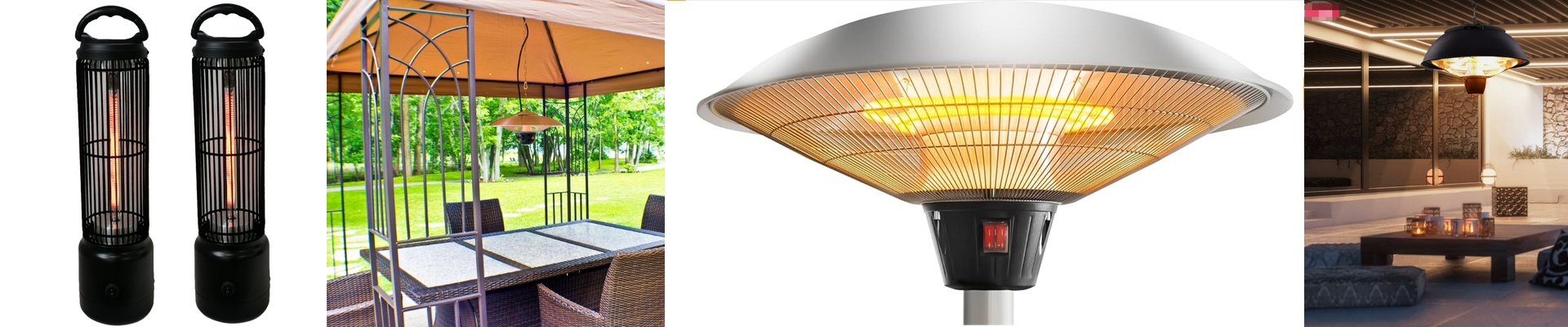


Why “Normal” Quartz Doesn’t Cut It in a Steamy Bathroom
If you’re putting an infrared heater in a shower or a bath area, you’re basically fighting a war against two things: steam and sudden temperature drops. Here’s the problem. Standard quartz tubes are fragile. If a single drop of cold water hits a tube that’s glowing at 600°C, it doesn’t just crack. It fails. Fast. That’s why we stick with explosion-proof quartz.
Dealing with the “Shock”
We’ve all seen glass shatter when it gets too hot or too cold too quickly. In a bathroom, that temperature gap is massive. One stray splash and a regular tube is toast. Explosion-proof quartz is built differently. We use a specialized tempering process and a reinforced outer layer so the glass can handle those wild swings without giving up. And if the worst happens and a tube does crack? It won’t spray shards all over the room. It stays contained. It’s just safer.
Keeping the Water Out
It isn’t just about the glass, though. You have to think about the guts of the machine. If steam or a spray of water hits the live electrical contacts, you’ve got a short circuit on your hands. To stop that, we use high-temp silicone gaskets and sealed connectors. We aim for an IPX4 rating or better because, frankly, “water-resistant” isn’t good enough when you’re dealing with electricity and showers.
The Reality of the Build
High-wattage quartz lamps are great because they give you instant heat. But they get hot. You can’t just shove them into a tight plastic box and hope for the best. The casing will warp. You need a chassis that actually lets the air move or a solid heat sink to soak up that energy. Also, do yourself a favor: check your wiring gauge. Make sure it can handle the current draw, or you’ll end up overheating your conduits. At the end of the day, if you want to avoid those annoying field failures, you have to match the quartz grade to the environment. Use the explosion-proof stuff. It’s not the place to save a few pennies.