


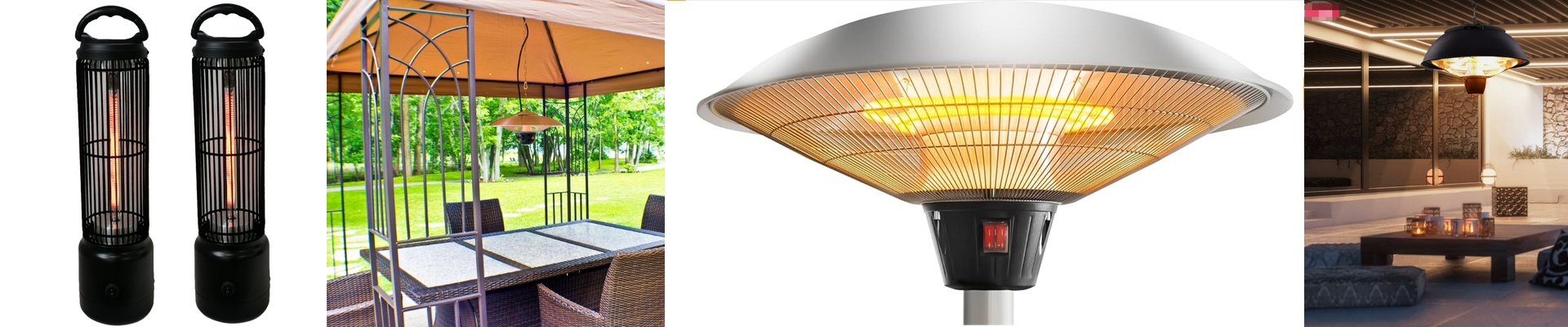

How to Actually Warm Up a Cold Space Fast
Ever stepped into a freezing changing room or walked onto a chilly patio and realized a standard heater just isn’t cutting it? That’s because most heaters try to warm up the air first. But air is stubborn. It takes forever to heat up, and the second a breeze hits, all that warmth is gone. That’s why we use shortwave infrared. Instead of fighting with the air, this tech beams heat directly onto your skin and the things around you. It’s like stepping into a patch of sunlight on a winter day. One second you’re shivering, and the next, you’re warm. Just like that.
The Secret Sauce: Quartz and Power
Inside these units, we use high-wattage quartz elements. They don’t just “warm up”—they snap on. Because they emit energy in a shortwave spectrum, the heat hits you deeper and faster. We push the power density high so there’s no waiting around. You flip the switch, and you feel it immediately.
Dealing with Water and Steam
Locker rooms and outdoor decks are brutal on electronics. Moisture gets everywhere. To stop things from shorting out, we seal up the electrical connections and the housing tight. The quartz tubes stay safe behind protective grids and weather-proof shells. We also use polished aluminum or gold reflectors. Why? Because we want the heat hitting the floor and the people, not wasting energy by heating up the ceiling.
The Practical Stuff (And a Few Gotchas)
Here is the thing about the wiring: you can’t just plug these into any old outlet. These lamps pull a lot of current. You’ll need a dedicated circuit with the right breakers and wire gauges, or you’re risking overheating your lines. It’s better to do it right the first time than to deal with a tripped breaker every ten minutes. And there is a trade-off. Since the heat travels in a straight line, you get “hot spots.” If you move a few feet out of the beam, you’ll feel a sharp drop in temperature. To fix this, don’t just throw one heater in the middle of the room. You have to map out where people will actually be and overlap the heat zones. It takes a bit more planning, but it’s the only way to make sure nobody is left shivering in a cold patch.