
Step inside a big warehouse in winter and the cold hits you like a wall. Conventional heaters send warm air up toward the ceiling, leaving the floor and your crew in the cold. People drag, morale slips, and the energy bills climb. The fix is straightforward: put radiant warmth where people actually stand.
What matters, technically
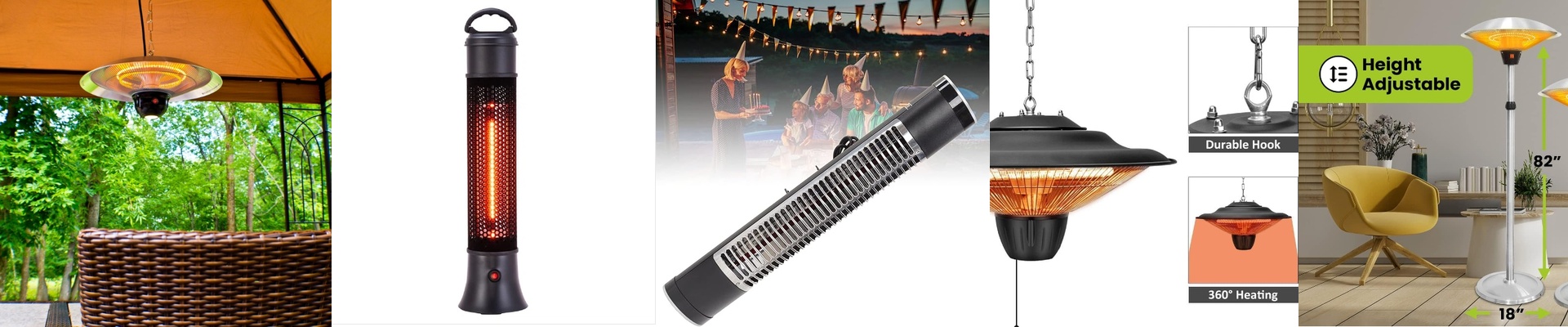
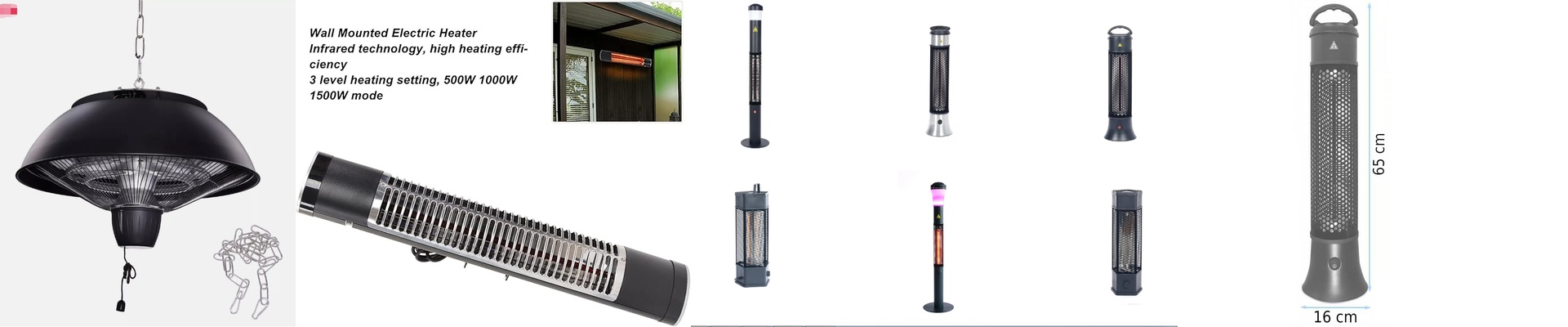
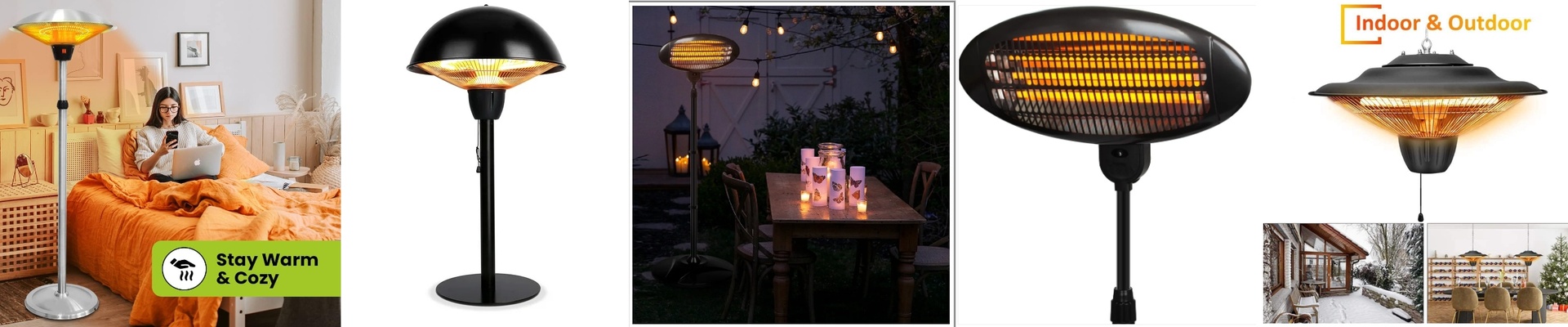
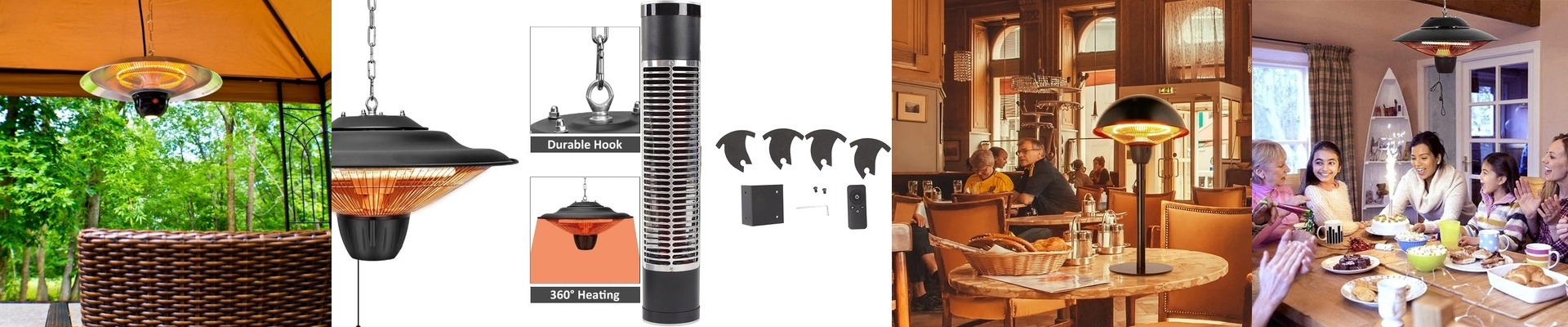
Infrared personal heaters work because they deliver heat right where it’s needed. A short-wave quartz element throws intense, directional infrared warmth that cuts through drafts and stratified air. You feel the heat almost instantly, without wasting energy heating empty space. We size these to real needs, with units from 1.5 kW to 3.0 kW, in 120 V or 240 V configurations, so you can match the output to the spot without overspending. A built-in thermostat keeps things steady, and tip-over protection adds a practical safety net. For damp or dusty spots, an IP34 rating protects against splashes and particles, so the heater holds up near loading docks and along aisles.
Why this works in a warehouse
In a large space, the goal is simple: warmth on demand, where people are. Infrared warmth heats people and objects directly, so your staff feels the heat within seconds, not minutes. That means fewer cold-induced pauses, a steadier pace, and better focus. Energy use drops because you’re not heating the whole volume, just the occupied zones. Zone control adds up—run heat where it’s needed, keep it off where it isn’t. Over time, you’ll see lower demand charges and fewer service calls. The heating element is straightforward, with no complex ductwork or blowers to fail.
The details that make the difference
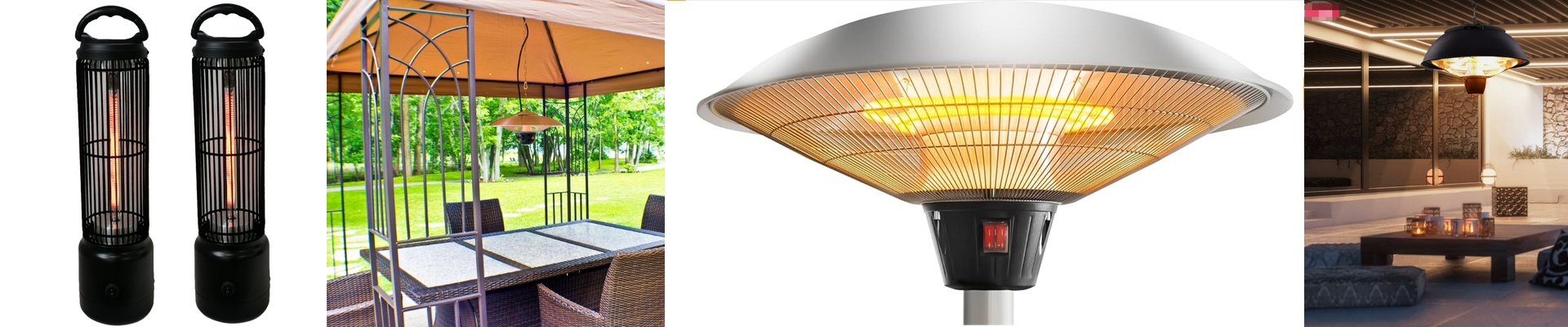
Installation is simple, but placement is everything. Mount the heater 6 to 8 feet high, angle it to cover the work zone, and keep clearances clear of stock and equipment. These are electric, so a dedicated circuit is the clean way to get stable performance. They’re built for spot heating, so they complement an existing system rather than trying to replace it. In very large, open areas with high ceilings, run several units to create a warm perimeter and focus on work paths. The payoff is practical: people stay warm, bills come down, and the heating finally makes sense.