
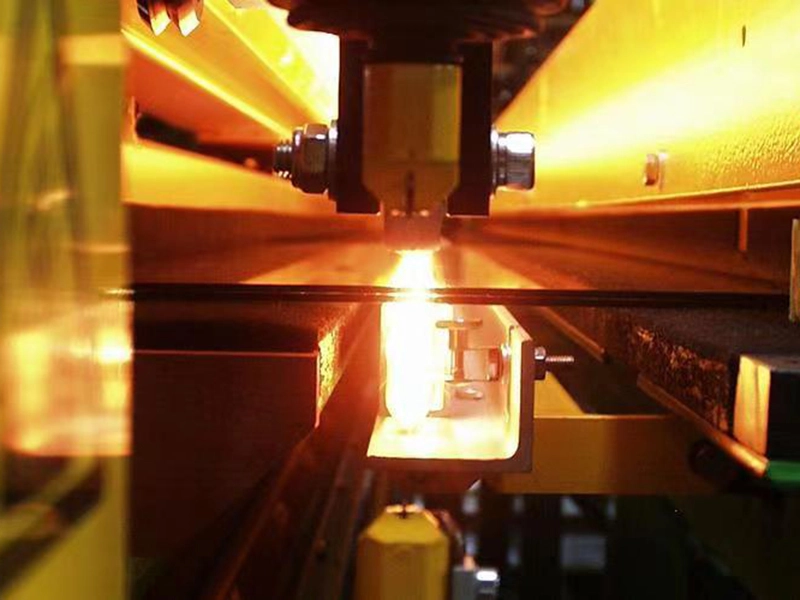
On the glass line, heat isn’t a nice-to-have—it’s the lever you pull to keep yield honest. When the heater can’t keep up, you see uneven tempering, bending cycles that drag, or lamination bonds that come up short. The fallout is familiar: scrap, rework, and ovens sitting idle. We built our glass heater line to keep the line moving, with repeatable temperature control that holds tight tolerances, even under 24/7 production. What matters, technically We match the heating method to the job. For tempering and bending—where you need fast, surface-driven heating—short-wave quartz elements give you high power density, quick response, and low thermal inertia. For coating drying and lamination preheat, medium-wave elements heat more evenly through the thickness, which helps reduce thermal stress and edge effects. The heater body is shop-floor ready: solid insulation, protected elements, and terminations that take a beating. You can spec voltage, watt density, and dimensions to fit your machine footprint, so it drops in as a direct replacement, not a re-engineering project. Why it plays in real production In tempering, uniform heat distribution cuts down roller-wave and optical distortion, so you get fewer rejects and cycle times that stay steady. In bending, a faster ramp-up shortens the heating window and gives you better control over sag. On lamination and coating lines, controlled, even heating improves adhesion and cure consistency, while lower energy per part keeps operating cost in check. The result is predictable: higher throughput, consistent glass quality, and fewer unplanned stops. A few things to keep straight Glass heaters are sensitive to the environment. Keep the element surface clean, avoid excessive convection that causes temperature swings, and make sure the control sensor is placed and calibrated to reflect true glass temperature. Also, confirm plant-side electrical compatibility—voltage and control interface have to match the machine. When those details are nailed, the heater runs as intended: steady, repeatable, and safe.
על קו הזכוכית, החום אינו מותרות – הוא המנוף שדרכו שומרים על תפוקה מדויקת. כאשר גוף החימום אינו עומד בקצב, מופיעים חישולי טמפרינג בלתי אחידים, מחזורי כיפוף איטיים או דבקי למינציה שאינם עמידים כנדרש. התוצאה מוכרת: פסולת, תיקונים ותנורים שאינם בשימוש. קו מחממי הזכוכית שלנו תוכנן לשמור על רצף הייצור, עם שליטה בטמפרטורה שניתנת לשחזור ושמירה על סבילות הדוקות, גם תחת הפעלה רציפה 24/7.
מה שחשוב, מבחינה טכנית
מתאימים את שיטת החימום למשימה. לטמפרינג וכיפוף – שם נדרש חימום מהיר וממוקד בשטח הפנים – אלמנטים קוורץ קצרים מספקים צפיפות הספק גבוהה, תגובה מהירה ואינרציה תרמית נמוכה. ליבוש ציפויים וחימום מוקדם ללמינציה נעשה באמצעות אלמנטים באורך גל בינוני שמחממים באופן אחיד יותר לאורך עובי הזכוכית, מה שמסייע בהפחתת עומסי חום והשפעות שולי. גוף המחמם מוכן לשימוש במפעל: בידוד מוצק, אלמנטים מוגנים, וחיבורים עמידים למכות. ניתן להתאים מתח, צפיפות וואט ומידות כך שיתאימו למכונה הקיימת, מה שמאפשר החלפה ישירה ללא צורך בשינויים מהותיים במערכת.
למה זה עובד בייצור אמיתי
בטמפרינג, פיזור חום אחיד מקטין גלים בגלגלים ועיוותים אופטיים, מה שמפחית דחיות ומייצב את זמני המחזור. בכיפוף, עלייה מהירה בטמפרטורה מקצרת את חלון החימום ומאפשרת שליטה טובה יותר בהתעוותות. בקווי למינציה וציפוי, חימום מבוקר ואחיד משפר את הצמיגות ואחידות הריפוי, בעוד שצריכת אנרגיה נמוכה לפריט שומרת על עלויות תפעול תחת שליטה. התוצאה צפויה: תפוקה גבוהה יותר, איכות זכוכית עקבית ופחות עצירות בלתי מתוכננות.
כמה נקודות שצריך לשמור עליהן
מחממי זכוכית רגישים לסביבה. שימרו על ניקיון פני האלמנטים, הימנעו מזרימת אוויר מופרזת שגורמת לשינויים בטמפרטורה, וודאו שהחיישן לשליטה ממוקם ומכויל כך שישקף את טמפרטורת הזכוכית האמיתית. בנוסף, יש לוודא תאימות חשמלית בצד המפעל – מתח וממשק שליטה חייבים להתאים למכונה. כאשר הפרטים הללו נכונים, המחמם פועל כמתוכנן: יציב, ניתן לשחזור ובטוח.