



Getting Your Heat Right in Long Glass Tunnels
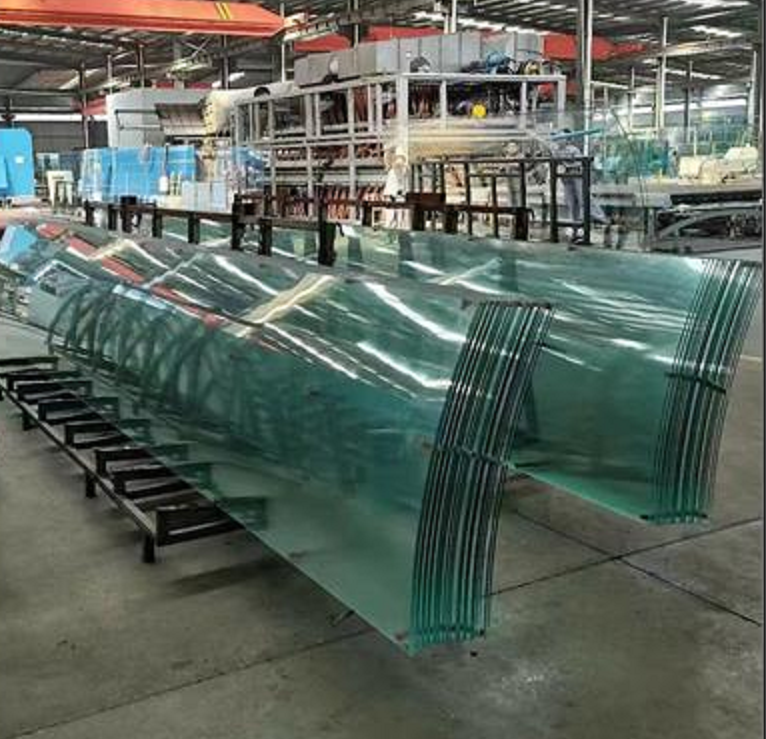
When you’re bending glass in a tunnel kiln, you need the heat to be steady. Not “mostly steady,” but perfectly consistent from the moment the glass goes in until it comes out. The problem is that once your tunnel hits the 2-meter mark, standard lamps just don’t cut it. They’re too short. That’s why we build continuous infrared units. We pair custom-length lamps with high-reflectivity backing to make sure the heat stays where it belongs.
The Battle Against Cold Spots
Here is the real headache with long tunnels: cold spots. They usually happen right at the joints between lamps. If one section of your glass is cooler than the rest, you’re looking at a ruined piece. We fix this by using continuous lamp arrays and reflectors that actually match up. We use gold-coated or high-grade aluminum reflectors to bounce that infrared radiation straight back onto the glass. It basically doubles the heat hitting the surface and stops energy from leaking into the kiln housing. And if you’re running a unit longer than 2 meters, you have to watch your voltage. It’s easy to forget, but voltage drops over distance. We calibrate the wattage and voltage so the lamps at the very end of the line are just as hot as the ones at the start.
The Nitty-Gritty Stuff
We stick with quartz glass tubes and short-wave emitters. Why? Because they ramp up fast. You don’t want to spend half your morning waiting for the system to warm up. We also shape the reflectors to focus the beam precisely on the glass. It keeps the heating zone tight and saves you a lot of floor space. Then there’s the wiring. These arrays take a beating. Constant heating and cooling can make cheap connectors loosen or burn out. We use industrial-grade terminals that can handle the thermal cycling without flinching.
A Word of Warning on Cooling
Continuous heating puts out a massive amount of energy. It’s powerful. But that power comes with a catch. You can’t just think about the heat; you have to think about the air. If your ventilation isn’t up to the task, all that ambient heat from a 2-meter array has nowhere to go. Before you know it, you’re warping your reflector housings or frying your control wires. Just make sure your airflow matches your wattage. Keep it balanced, and the system will stay stable.